

Frenectomy Procedures: Your Guide to Tongue and Lip Tie Solutions
Is your baby struggling to latch or stick their tongue out constantly? You might be dealing with a tongue or lip tie. This guide dives into frenectomy procedures, symptoms, recovery, and answers to common questions—empowering you to make informed decisions for your family’s health.
As a new parent, few things are more stressful than watching your baby struggle to feed. Take Sarah, a first-time mom, who noticed her newborn had trouble latching during breastfeeding. After weeks of frustration, a lactation consultant identified an upper lip tie and posterior tongue tie. A quick frenectomy procedure later, Sarah’s baby was feeding comfortably. Stories like Sarah’s are common, yet many parents aren’t aware of how tongue and lip ties impact feeding, speech, and even sleep.
In this guide, we’ll demystify frenectomy procedures, explore symptoms, share recovery tips, and answer your burning questions. Let’s dive in!
What Are Tongue and Lip Ties?
The Basics: Frenum, Lingual Frenulum, and More
The frenum (or frenulum) is a small fold of tissue that restricts movement. Key types include:
Lingual frenulum: Connects the tongue to the mouth floor.
Labial frenulum: Connects the lips to the gums.
When these bands are too tight or thick, they cause ankyloglossia (tongue tie) or lip ties, limiting mobility.
Tongue Tie vs. Lip Tie: A Quick Comparison
Tongue Tie
Location: Under the tongue
Symptoms: Difficulty latching, speech delays
Treatment: Lingual frenectomy
Lip Tie
Location: Upper or lower lip
Symptoms: Gap between front teeth, feeding issues
Treatment: Labial frenectomy
Signs Your Baby (or You) Might Have a Tie
Tongue Tie Symptoms in Infants
Feeding struggles: Poor latch, clicking sounds, or frequent choking.
Baby sticking tongue out constantly: A 3-month-old sticking their tongue out excessively might signal restricted movement.
Weight gain issues: Due to inefficient feeding.
Example: Emily’s 5-month-old kept “playing with his tongue” and refused bottles. A tongue tie test revealed a posterior tongue tie, resolved with laser surgery.
Lip Tie Symptoms in Toddlers and Adults
Lip attached to gum: A “tight” smile or difficulty flossing.
Speech challenges: Trouble pronouncing “t,” “d,” or “s” and “r” sounds.
Long-term effects: Neck pain, sleep apnea, or dental gaps.
The Frenectomy Procedure: What to Expect
Types of Frenectomies
1. Laser Frenectomy: Uses a laser for precise, minimally invasive cuts (common for infants).
2. Scalpel/Scissors Frenectomy: Traditional method, often for adults.
Before and After:
Tongue tie before and after photos show improved tongue mobility.
Lip tie healing pictures reveal reduced tension in the lip.
The Process: From Diagnosis to Recovery
1. Consultation: A pediatric dentist or ENT checks for ties using tongue tie vs normal pictures.
2. Procedure: Takes 10–15 minutes; infants may breastfeed immediately after.
3. Recovery:
Infants: Fussiness for 1–2 days; use frenectomy aftercare exercises.
Adults: Soreness for a week; avoid spicy foods.
Pro Tip: “My 8-month-old was back to giggling within hours of her laser tongue tie release,” shares mom Jessica.
Q&A: Your Top Frenectomy Questions Answered
Q: Is tongue tie hereditary?
A: Yes! Studies suggest genetic links. If you had a tie, your baby might too.
Q: Can tongue tie cause sleep apnea?
A: In adults, restricted airflow from a tight frenulum may contribute to snoring or sleep issues.
Q: How much does a frenectomy cost?
A: Costs vary:
With insurance: Often covered if deemed medically necessary ($100–$500).
Without insurance: $500–$2,500, depending on complexity.
Q: Does everyone have a frenulum?
A: Yes! But only 4–11% of infants have symptomatic ties requiring treatment.
Q: Can adults benefit from frenectomy?
A: Absolutely! Adults report improved speech, reduced neck pain, and better sleep post-surgery.
Frenectomy Recovery: Tips for Infants and Adults
For Babies
Soothe discomfort: Use chilled teethers or breastfeeding.
Stretching exercises: Prevent reattachment with gentle massages.
For Adults
Soft diet: Opt for soups and smoothies.
Avoid irritants: Skip smoking and alcohol during healing.
Healing Timeline:
Infants: 3–7 days.
Adults: 1–2 weeks.
Cost, Insurance, and Finding a Specialist
Insurance Coverage
CPT codes: 41115 (lingual frenectomy) or 40819 (labial).
Coverage: Often covered for infants; adults may need proof of medical necessity.
Finding a Provider
Search “tongue tie specialist near me” or ask for referrals. Pediatric dentists and ENTs commonly perform frenectomies.
Real Stories: Before and After Frenectomy
Case Study 1: Infant Lip Tie
Before: A lip tie newborn struggled with colic and poor weight gain.
After: Post labial frenectomy, feeding improved within days.
Case Study 2: Adult Tongue Tie
Before: John, 30, had lifelong speech issues and tongue tie neck pain.
After: Lingual frenectomy in adults restored his confidence and comfort.
Conclusion: Empower Yourself with Knowledge
Whether you’re a parent noticing your baby playing with tongue constantly or an adult with unexplained neck pain, understanding frenectomies can transform lives. Early intervention prevents long-term issues like speech delays or dental problems.
Take Action:
1. Consult a specialist if you spot symptoms.
2. Discuss frenectomy benefits vs. risks with your provider.
3. Share this guide to help others navigate their journey!

Understanding and Managing Cluttered Speech: A Comprehensive Guide
Cluttering speech disorder affects millions of adults and children worldwide, yet remains less recognized than stuttering. This comprehensive guide explores what cluttering is, how it relates to conditions like ADHD and autism, effective therapy approaches, and practical strategies for improvement. If you've ever struggled with rapid, disorganized speech, or know someone who does, discover how clarity is possible with the right techniques.
Navigating the Fast-Paced World of Cluttering Speech Disorder
Have you ever listened to someone speak so rapidly that their words seem to tumble over each other like dominoes? Or perhaps you've experienced moments when your own thoughts race ahead of your ability to articulate them clearly? This communication challenge, known as cluttering speech disorder, affects millions of adults and children worldwide, yet remains less recognized than its cousin, stuttering.
As someone who has worked with individuals with communication disorders for years, I've witnessed firsthand the frustration that comes with cluttering. Just last month, I met with Alex, a brilliant software engineer with extreme adult ADD who described his speech as "my mouth trying to keep up with my hyperactive brain—and failing miserably!"
In this comprehensive guide, we'll explore what cluttering is, how it relates to conditions like ADHD and autism, effective therapy approaches, and practical strategies for improvement.
What Exactly Is Cluttering Speech Disorder?
Cluttering is a fluency disorder characterized by an unusually rapid and/or irregular speech rate, often accompanied by excessive disfluencies, disorganized language, and reduced speech clarity. Unlike stuttering, which involves repetitions and prolongations, cluttering speech flows in a rushed, disorganized manner.
Example: As speech-language pathologist Dr. Florence Myers once explained, "If stuttering is like a car repeatedly stalling at a stop sign, cluttering is like a car speeding through intersections with no regard for traffic signals."
Key Symptoms of Cluttering Speech
The cluttering speech symptoms typically include:
Excessive speaking rate
Irregular speech rhythm
Collapsed or deleted syllables
Disorganized language and thought patterns
Lack of awareness about one's speech difficulties
Word and phrase repetitions
Excessive use of "um," "like," and "you know"
Poor topic maintenance
Limited self-monitoring abilities
Cluttering vs. Stuttering: Understanding the Difference
While both are fluency disorders, cluttering and stuttering differ significantly:
Cluttering
Rapid, irregular rate
Often unaware of disorder
Improves with concentration
Disorganized language
Often coexists with ADHD
Stuttering
Repetitions and prolongations
Usually aware of difficulty
May worsen under pressure
Language organization typically intact
Can occur independently of ADHD
The ADHD-Cluttering Connection: When Thoughts Race Ahead
Perhaps the most significant correlation exists between cluttering speech and ADHD. Research consistently shows that individuals with ADHD (especially the hyperactive/impulsive type) have higher rates of cluttering than the general population.
Jamie, a college student I worked with who has both ADHD and cluttering speech, described it perfectly: "My brain is like ten browser tabs running simultaneously, and my mouth tries to narrate all of them at once."
The link between cluttering speech and ADHD makes sense physiologically. Both conditions involve challenges with executive functioning, impulse control, and self-monitoring. The rapid-fire thinking characteristic of ADHD often manifests as rapid, disorganized speech patterns typical of cluttering.
Autism and Cluttering: Another Important Connection
Cluttering speech and autism also frequently overlap. Many individuals on the autism spectrum experience communication difficulties that include elements of cluttering speech, such as:
Unusual prosody (speech rhythm and intonation)
Difficulty organizing thoughts sequentially
Challenges with pragmatic language
For those with Asperger's syndrome (now classified under autism spectrum disorder), cluttered speech patterns may be particularly common due to the combination of advanced vocabulary with challenges in social communication.
Common Questions About Cluttering Speech Disorder
Q: Is cluttering considered a fluency disorder?
A: Yes, cluttering is officially classified as a fluency disorder. However, unlike stuttering (the most well-known fluency disorder), cluttering involves issues with speech rate, rhythm, and organization rather than blockages or repetitions.
Q: What causes cluttering speech disorder?
A: The causes of cluttering speech are multifaceted and not fully understood. Contributing factors include:
Neurological differences affecting speech motor control
Genetic predisposition (cluttering often runs in families)
Comorbid conditions like ADHD and autism
Language processing differences
Executive functioning challenges
Q: Can adults develop cluttering, or does it begin in childhood?
A: While cluttering speech in adults has often been present since childhood, it can become more pronounced during adulthood, especially during periods of stress or when managing multiple responsibilities. Some adults report that their cluttering worsened as academic and professional demands increased.
Assessing and Diagnosing Cluttering Speech
Proper assessment is crucial for effective treatment. Speech-language pathologists use various tools to evaluate cluttering, including:
Speech rate measurements
Language organization analysis
Disfluency counts
Self-awareness assessments
Cognitive-linguistic evaluations
One challenge in diagnosing cluttering is that individuals often demonstrate better speech clarity during structured assessment tasks than in everyday conversation—what specialists call "the clinician's office effect."
Cluttering Speech Therapy: Effective Approaches and Techniques
Cluttering speech therapy typically involves a multi-faceted approach. The good news is that with proper intervention, significant improvement is possible. Here are some evidence-based cluttering speech therapy techniques:
Rate Control Strategies
Metronome pacing exercises
Voluntary rate reduction practice
Stretched syllable techniques
Pausing practice between phrases
Self-Monitoring Development
Video and audio recording analysis
Real-time feedback systems
Awareness training exercises
Self-rating scales
Language Organization Improvement
Thought mapping before speaking
Hierarchical topic organization
Sequential storytelling practice
Verbal outlining techniques
Cluttering Speech Therapy Activities
"Turtle talk" exercises (deliberately slowed speech)
Recorded speech analysis
conversation practice
Role-play scenarios with feedback
Anecdote: I recently worked with a marketing executive with cluttering who made remarkable progress using an app that provided real-time feedback about his speaking rate during practice sessions. "It was like having a speech coach in my pocket," he told me. "After three months, clients started commenting on how much clearer my presentations had become."
Cluttering Speech Therapy Goals
Effective therapy for cluttering typically includes these speech therapy goals for cluttering:
1. Develop awareness of cluttering behaviors
2. Establish appropriate speaking rate
3. Improve speech clarity and intelligibility
4. Enhance language organization skills
5. Develop self-monitoring strategies
6. Practice clear speech in progressively challenging situations
Living with Cluttering: Practical Strategies for Daily Life
Beyond formal speech therapy, these practical strategies can help manage cluttering speech in everyday situations:
For Adults with Cluttering:
Practice "mental rehearsal" before important communications
Use breathing techniques to regulate speaking pace
Incorporate brief, deliberate pauses between thoughts
Record and listen to your speech regularly
Inform close colleagues or friends who can provide gentle reminders
For Parents of Children with Cluttering:
Model appropriate speaking rate
Practice "special talking time" with slower, more deliberate conversations
Avoid interrupting or finishing sentences
Provide positive reinforcement for clear communication
Collaborate with speech therapists on home practice activities
When Cluttering Coexists with Other Conditions
When extreme adult ADD cluttering or autism cluttering speech is present, a coordinated treatment approach is essential. This might include:
Medication management for ADHD symptoms
Executive functioning coaching
Social communication skills development
Anxiety management strategies
Collaborative work between speech therapists and other specialists
The Future of Cluttering Research and Treatment
Research into cluttering speech disorder continues to evolve. Promising areas include:
Brain imaging studies examining neural pathways
Digital applications providing real-time feedback
Telehealth approaches expanding access to specialized treatment
Increased awareness among educators and healthcare providers
Conclusion: Clarity Is Possible
While cluttering speech disorder presents real challenges, effective treatment options exist. With appropriate speech therapy, self-awareness development, and consistent practice, individuals with cluttering can significantly improve their communication clarity.
As one of my former clients, a teacher with cluttering speech disorder, recently told me: "Learning to manage my cluttering didn't just improve my teaching—it transformed my confidence in every conversation. For the first time, I feel truly heard."
If you or someone you know struggles with rapid, disorganized speech, reaching out to a speech-language pathologist experienced with fluency disorders is an excellent first step toward clearer, more effective communication.

The King’s Speech-Language Pathology
From overcoming stuttering to mastering communication, speech therapy transforms lives. Dive into the roles of SLPs, explore educational paths, and see how The King's Speech highlights the power of speech-language pathology.
From overcoming stuttering to mastering communication, speech therapy transforms lives. Dive into the roles of SLPs, explore educational paths, and see how The King's Speech highlights the power of speech-language pathology.
Speech Therapy and Speech-Language Pathology: Unlocking Communication Potential
Imagine a world where fear of speaking holds you back—from sharing ideas at work to reading bedtime stories to your child. This was the reality for King George VI, whose struggle with stuttering captivated audiences in the Oscar-winning film The King’s Speech. His journey mirrors the millions who turn to speech therapy to reclaim their voices. Whether you’re exploring speech-language pathology programs or seeking treatment for a loved one, this guide illuminates the field’s transformative power.
What Is Speech Therapy? Key Terms Demystified
Speech therapy (often written as “speech+therapy” in searches) is a specialized field focused on diagnosing and treating communication disorders. Let’s clarify common terms:
Speech-Language Pathologist (SLP): A licensed professional who assesses and treats speech, language, voice, and swallowing disorders. Also called a speech pathologist or speech therapist.
Speech Pathology: The study of communication disorders; speech-language pathology is the full term.
SAC & OAC: In Canada, SLPs may hold certifications like SAC (Speech-Language & Audiology Canada) or OAC (Ontario Association of Audiologists and Speech-Language Pathologists).
Example: An SLP might help a child with a lisp pronounce “sun” instead of “thun,” or guide a stroke survivor in relearning language skills.
Speech Therapy vs. Speech-Language Pathology: What’s the Difference?
While often used interchangeably, speech therapy refers to treatment, whereas speech-language pathology encompasses the broader science behind disorders. Think of it like medicine (pathology) vs. treatment (therapy).
The Role of a Speech-Language Pathologist (SLP)
SLPs are communication experts working in schools, hospitals, and private clinics. Their work spans:
Stuttering & Fluency: Techniques to manage repetitions, like those depicted in *The King’s Speech.
Language Delays: Helping children form sentences or understand social cues.
Voice Disorders: Assisting singers with vocal nodules or individuals with Parkinson’s.
Swallowing Issues: Post-stroke rehabilitation to prevent choking.
Anecdote: Emily, a 7-year-old with a stutter, worked with an SLP using rhythmic breathing exercises. Within months, she confidently recited a poem at her school assembly.
How to Become a Speech-Language Pathologist
Step 1: Education
1. Bachelor’s Degree: Major in communication sciences, psychology, or linguistics.
2. Master’s Program: Enroll in speech-language pathology graduate programs accredited by ASHA (American Speech-Language-Hearing Association). Popular options include speech-language pathology programs at Northwestern University or Vanderbilt.
3. Clinical Fellowship: Complete 1,260 hours of supervised practice.
Step 2: Certification
Earn the CCC-SLP (Certificate of Clinical Competence) from ASHA.
In Canada, obtain SAC or O.A.C. certification.
Step 3: Specialize
Many SLPs focus on areas like autism, accent modification, or stuttering therapy.
Comparison: Becoming an SLP vs. a physical therapist? Both require graduate degrees, but SLPs focus on communication, while PTs address mobility.
Speech Pathology Treatment in Action
Case Study: Stuttering Therapy Inspired by The King’s Speech
In the film, Lionel Logue (the unlicensed SLP) uses unconventional methods to help King George VI manage his stammer. Real-world stuttering treatment might include:
Fluency Shaping: Slowing speech rate.
Electronic Devices: Delayed auditory feedback tools.
Cognitive Behavioral Therapy (CBT): Reducing anxiety around speaking.
Did You Know? Approximately 3 million Americans stutter, including President Joe Biden, who has spoken openly about his journey.
Language Therapy Programs for Children
Programs like Hanen Centre’s It Takes Two to Talk empower parents to stimulate language development during daily activities.
Top Speech-Language Pathology Programs
Considering speech pathology schools? Here are standout options:
1. University of Iowa: Renowned for research in stuttering.
2. University of Washington: Offers speech-language master's programs with pediatric focus.
3. University of Toronto: Leading Canadian school with OAC-accredited training.
4. University of Western Ontario: Another leading program in Canada.
Tip: Look for programs with robust clinical placements.
The Impact of Speech Therapy: Stories of Success
Corporate Executive: After a stroke, John regained his ability to speak through aphasia therapy, returning to lead boardroom meetings.
Toddler with Autism: Mia used picture-exchange systems to communicate her needs, reducing frustration tantrums by 80%.
FAQs About Speech-Language Pathology
Q: How do I become a speech therapist?
A: Follow the steps above—earn a master’s, complete clinical hours, and obtain licensure.
Q: What’s the difference between a speech therapist and speech-language pathologist?
A: None! They’re the same role.
Conclusion: Finding Your Voice
Whether you’re inspired by The King’s Speech or driven to help others communicate, speech-language pathology offers a rewarding career—and life-changing therapy. From stutter meaning to SLP programs, this field bridges science and compassion.
Ready to take the next step? Explore speech-language pathology programs near you or consult an SLP to unlock your full communication potential.
Understanding Aphasia: A Comprehensive Guide
Aphasia, a language disorder affecting speech and comprehension, can stem from stroke, dementia, or brain injury. Discover its types, symptoms, and inspiring stories of resilience in this comprehensive guide.
When actor Bruce Willis announced his retirement in 2022 due to aphasia, the world took notice. Suddenly, this little-known condition became a topic of global conversation. But what is aphasia? How does it impact daily life, and what hope exists for those affected? In this guide, we’ll explore the meaning of aphasia, its types, causes, and treatments—all while sharing relatable anecdotes and practical insights.
What Is Aphasia?
Aphasia definition: Aphasia (pronounced *uh-FAY-zhee-uh*) is a language disorder caused by damage to brain regions responsible for communication. It affects speaking, understanding, reading, and writing. Unlike dementia, which impacts broader cognitive functions, aphasia specifically targets language.
Aphasia vs. Dysphasia: What’s the Difference?
Though often used interchangeably, dysphasia typically refers to milder language impairments, while aphasia denotes more severe cases. Consider it a spectrum: dysphasia might involve occasional word-finding struggles, whereas aphasia could render speech nearly impossible.
Types of Aphasia: From Broca’s to Global
Aphasia manifests in diverse forms, each tied to specific brain areas. Let’s break them down:
1. Broca’s Aphasia (Nonfluent Aphasia)
Cause: Damage to Broca’s area (left frontal lobe).
Symptoms: Halting speech, difficulty forming sentences. Comprehension remains intact.
Example: A patient might say, “Walk… dog…” instead of “I walked the dog.”
Anecdote: After a stroke, Sarah knew what she wanted to say but could only utter single words, making her feel frustrated.
2. Wernicke’s Aphasia (Fluent Aphasia)
Cause: Injury to Wernicke’s area (left temporal lobe).
Symptoms: Fluent but nonsensical speech; poor comprehension.
Example: “The sky is boiling with purple elephants” might replace a weather discussion.
3. Global Aphasia
Cause: Extensive damage to language centers (e.g., major stroke).
Symptoms: Severe impairments in speaking and understanding.
4. Primary Progressive Aphasia (PPA)
Link to Dementia: Often tied to frontotemporal dementia (FTD).
Symptoms: Gradual language loss over years.
5. Anomic Aphasia
Hallmark: Struggling to recall words (“Where’s the… thing for cutting?”).
Comparison: Broca’s vs. Wernicke’s
Brocha’s
Non-fluent speech (halting, slow)
Intact comprehension
Aware of challenges—frustration is common
Wernicke’s
Fluent but non-sensical (word salad)
Impaired comprehension
Unaware of mistakes
Aphasia Symptoms and Diagnosis
Common Symptoms
Struggling to name objects (anomia).
Substituting incorrect words (“chair” for “table”).
Difficulty following conversations.
Diagnostic Tools
Western Aphasia Battery: Assesses language skills.
ICD-10 Codes: R47.01 (expressive aphasia), R47.02 (receptive aphasia).
Aphasia Causes and Related Conditions
Key Causes
Stroke (most common).
Traumatic Brain Injury
Neurodegenerative Diseases: Alzheimer’s, FTD.
Aphasia and Dementia
Primary Progressive Aphasia: A subtype of FTD where language declines first.
Bruce Willis and Wendy Williams: Both public figures highlight links between aphasia and neurodegenerative conditions.
Migraines and Transient Aphasia
Some experience temporary aphasia during migraines, resolving within hours.
Aphasia vs. Related Disorders
Aphasia vs. Dysarthria
Aphasia: Language impairment.
Dysarthria: Muscle weakness affecting speech clarity.
Aphasia vs. Apraxia
Apraxia: Difficulty coordinating speech movements.
Treatment and Hope for Recovery
Therapy Approaches
Speech-Language Therapy: Custom exercises to rebuild skills.
Technology: Apps like “Constant Therapy” and “Tactus Therapy” aid practice.
Real-Life Success
John, a stroke survivor, regained conversational ability through intensive speech therapy and home practice using aphasia apps on his iPad.
Living with Aphasia: Stories of Resilience
Support groups and adaptive strategies (e.g., using pictures) empower individuals. Actress Emilia Clarke, after a brain aneurysm, advocates for aphasia awareness.
Conclusion
Aphasia is complex, but understanding its nuances fosters empathy and effective care. Whether caused by stroke, dementia, or injury, advancements in therapy offer hope. By sharing stories and insights, we can create a more inclusive world for those navigating this condition.

Voice Disorders & Strep Throat: Symptoms, Treatments, Healing
From hoarseness caused by vocal nodules to the agony of strep throat, voice and throat disorders disrupt daily life. This guide dives into the science of vocal dysfunction, strep throat complications, and actionable remedies to heal faster—naturally and medically.
Your voice is your signature—until it disappears. One morning, you wake up with a gravelly whisper instead of your usual tone. Or perhaps your child spikes a fever, complains of a sore throat, and starts vomiting. Is it strep throat? Laryngitis? A vocal cord polyp? Let’s unravel the mysteries of vocal disorders and streptococcal infections backed by science, real-life stories, and practical solutions.
Part 1: Disorders of the Voice
What Causes Vocal Hoarseness?
Laryngitis, the most common voice disorder, occurs when your vocal cords swell due to overuse, infection, or irritation. It often results in partial or complete loss of voice.
Example: Sarah, a teacher, lost her voice mid-lecture after weeks of projecting in a noisy classroom.
Key Symptoms:
Hoarse, raspy, or cracky voice
Painful swallowing
Dry cough or phlegm
Anecdote: Mark, a singer, ignored his hoarseness for months until he was diagnosed with vocal nodules—callus-like growths from chronic strain.
Vocal Cord Nodules vs. Polyps: What’s the Difference?
Nodules: Symmetrical, hard growths from misuse (e.g., yelling).
Polyps: Fluid-filled, often unilateral lesions from acute trauma (e.g., screaming at a concert).
Comparison: Think of nodules as calluses and polyps as blisters. Both disrupt vibration, causing a raspier voice.
Home Remedies for Laryngitis
1. Voice rest: Avoid whispering (strains cords more than speaking).
2. Hydration: Warm tea with honey soothes inflammation.
3. Humidifiers: Moist air reduces vocal fold swelling.
Natural Cure Myth? While "healing a hoarse voice in an hour" is unrealistic, ginger-lemon steam inhalations can provide quick relief.
Medical Treatments: When to See a Doctor
Persistent hoarseness: Could signal throat cancer (e.g., a lump in the neck or chronic sore throat).
Vocal therapy: Retrains speech patterns to treat nodules.
Surgery: For polyps or cysts unresponsive to conservative care.
Case Study: After a croaky voice lasted 3 weeks, Emma discovered a vocal cyst requiring laser surgery.
Part 2: Strep Throat Unmasked
Streptococcus Basics: Contagion, Incubation, and Symptoms
Strep throat is a bacterial infection caused by *Streptococcus pyogenes*. Unlike viral sore throats, strep thrives without cough or runny nose.
Key Questions Answered:
How long is strep contagious?
Without antibiotics: 2-3 weeks.
With antibiotics: 24-48 hours after starting treatment.
Incubation period: 2-5 days.
Anecdote: A daycare outbreak spread rapidly because parents missed the gestation period for strep throat—symptoms appeared days after exposure.
“Does Strep Throat Cause a Cough?” and Other Myths
Myth 1: “Strep always includes a cough.”
Truth: Coughing is rare. Key signs are sudden fever, belly pain, and red tonsils with white dots or patches.
Myth 2: “Strep causes mouth sores.”
Truth: Sores suggest herpes virus or canker sores, not strep.
Myth 3: “Antibiotics are mandatory.”
Truth: While antibiotics prevent complications (rheumatic fever), mild cases may resolve naturally.
Strep in Infants: Silent but Dangerous
Signs of strep throat in infants:
Refusal to eat
Hoarse voice (rare but possible)
Low-grade fever
Example: Baby Mia’s raspy cry was initially dismissed as reflux until a rapid strep test confirmed infection.
Viral vs. Bacterial Strep: How to Tell the Difference
Strep (Bacterial)
Fever: High (101°F+)
Cough: Rare
Incubation: 2-5 days
Longer contagious period without meds
Viral Sore Throat
Fever: Mild or absent
Cough: Common
Incubation: 1-3 days
Shorter contagious period
Comparison: Strep is the “sprint” (sudden onset) vs. viral’s “marathon” (gradual symptoms).
Holistic Strep Remedies: Do They Work?
1. Saltwater gargles: Reduces inflammation.
2. Honey and turmeric: Natural antibacterials.
3. Echinacea tea: Boosts immunity (mixed evidence).
Warning: Untreated strep risks scarlet fever or kidney inflammation. Always consult a doctor.
Part 3: When Voice Loss Meets Strep
“Can Strep Throat Make You Lose Your Voice?”
Yes! Severe strep inflames the larynx, causing hoarseness or complete voice loss.
Example: John’s lost voice and sore throat were initially blamed on a cold—until a strep test came back positive.
Restoring Your Voice: Overnight Fixes vs. Realistic Healing
Quick Fixes (Temporary):
Suck on menthol lozenges (don’t take longer than a week—numbs the throat and can increase vocal strain).
Drink warm water with lemon.
Long-Term Healing:
Voice rest: 48 hours of minimal talking.
OTC medications: Ibuprofen reduces swelling.
Myth Busted: “Whispering saves your voice.” False—it strains cords more than soft speech.
Part 4: Throat Cancer and Vocal Damage
Red Flags: When a Sore Throat Becomes Serious
Throat cancer symptoms:
Persistent sore throat (3+ weeks)
Lump in neck
Unexplained weight loss
Case Study: Linda’s constant throat pain was misdiagnosed as allergies—until a biopsy revealed laryngeal cancer.
Vocal Cord Paralysis: A Silent Struggle
Causes: Surgery complications, nerve damage, or tumors.
Symptoms:
Breathiness
Inability to project voice
Treatment: Voice therapy or implants to reposition cords.
FAQs: Your Burning Questions Answered
Q: “How Long Does Strep Last on Surfaces?”
A: Strep bacteria survive 24-48 hours on doorknobs, toys, or phones. Disinfect with bleach-based cleaners.
Q: “Can You Test for Strep Too Early?”
A: Yes! Testing within 24 hours of symptoms may yield false negatives. Wait 48 hours for accuracy.
Q: “Is Laryngitis Contagious?”
A: Only if caused by infection (e.g., cold viruses). Non-infectious laryngitis (from yelling) isn’t contagious.
Conclusion: Reclaim Your Voice and Health
Whether battling strep phlegm or recovering from vocal surgery, knowledge is power. Prioritize rest, seek timely care, and never ignore persistent symptoms. Your voice matters—protect it.
Final Tip: Bookmark this guide for quick reference during throat emergencies!

Medicare Reimbursement: Fee Schedules, CMS Final Rules & Allowable Rates
Confused about 2024 Medicare fee schedules or how to look up CMS reimbursement rates? Discover key updates, practical tips for navigating allowable rates, and what the 2025 final rule means for your practice.
Medicare Reimbursement News 2025: What Providers Need to Know
For healthcare providers, staying updated on Medicare reimbursement news isn’t just paperwork—it’s vital for sustaining patient care and practice revenue. With the 2024 Medicare fee schedule now in effect and the CMS final rule 2025 on the horizon, let’s break down what’s changed, how to adapt, and tools to simplify compliance.
2024 Medicare Fee Schedule: Key Changes
The Medicare physician fee schedule for 2024 includes a mix of adjustments:
A 1.25% reduction in the conversion factor (from $33.89 to $33.45).
Increased reimbursement for chronic care management and behavioral health services.
New telehealth codes added to the Medicare allowable rates, reflecting post-pandemic flexibility.
Example: A primary care clinic in Ohio saw a 3% drop in reimbursement for routine office visits (CPT 99213) but gained 5% for telehealth follow-ups (CPT 98967).
Anecdote: Dr. Patel’s practice used the CMS fee schedule lookup tool to compare 2023 and 2024 rates. By shifting focus to telehealth, they offset losses and improved patient retention.
How to Navigate the Medicare Fee Schedule Lookup
1. Visit the CMS fee schedule look up portal.
2. Enter your CPT code (e.g., 99214 for established patient visits).
3. Filter by location and year (2024 rates are default).
4. Check CMS reimbursement rates by CPT code to estimate payments.
Comparison: Think of this tool as a GPS for billing—it prevents costly detours and ensures you’re paid accurately.
The 2025 CMS Final Rule: Early Insights
While the CMS final rule 2025 isn’t finalized until November 2024, proposed changes hint at:
Value-based care incentives: Higher pay for outcomes over volume.
Expanded mental health coverage: New codes for crisis intervention.
Cuts to imaging services: MRI and CT scan reimbursements may drop 2-4%.
Tip: Submit feedback during CMS’s comment period (open until September 2024) to advocate for your specialty.
3 Strategies to Adapt to Reimbursement Changes
1. Audit your top codes: Use the Medicare fee schedule 2024 to identify underpaid services.
2. Train staff on documentation: Proper coding maximizes Medicare allowable rates.
3. Invest in technology: EHR systems with built-in fee schedule updates reduce errors.
Anecdote: A Florida oncology group automated their billing with CMS rate alerts, reducing denied claims by 15% in Q1 2024.
FAQ: Quick Answers for Busy Providers
Q: How do I find my local Medicare allowable rate?
A: Use the Medicare fee schedule look up tool and filter by your ZIP code.
Q: Will the 2025 final rule affect telehealth?
A: Likely yes—CMS aims to make pandemic-era telehealth flexibilities permanent.
Q: Why did my E/M code reimbursement drop?
A: CMS reallocated funds to prioritize preventive and chronic care.
Final Thoughts: Stay Proactive
Medicare reimbursement isn’t static, but neither is your ability to adapt. Leverage tools like the CMS fee schedule lookup, stay engaged with policy updates, and prioritize services with rising rates. As the 2025 CMS final rule takes shape, remember: Knowledge is your best defense against revenue gaps. 🩺💡

Gift Guide for Singers & Vocalists
Looking for the perfect gift for a singer or hoping to improve your own vocals? Dive into our guide featuring curated presents for vocalists, tips to expand your range, and secrets to mastering growls, belting, and vocal health.
Whether you’re shopping for a friend who belts showtunes in the shower or a serious vocalist refining their craft, finding the right gift—or honing your own singing skills—can feel overwhelming. Let’s explore thoughtful gifts for singers, practical vocal care tools, and answers to burning questions like “How long does it take to learn to sing?” or “How to growl like a rockstar?”
Gifts for Singers: Beyond Microphones and Sheet Music
1. Vocal Health Essentials
Portable nebulizers (like the VocalMist Portable Nebulizer) soothe dry throats with hydrating mists.
Singing straws: These $10 tools help warm up vocals safely. Pair with a water bottle for on-the-go practice.
Throat massage oils: Perfect for post-performance relaxation.
2. Skill-Boosting Tools
“Raise Your Voice” by Jaime Vendera: A book packed with exercises to expand vocal range and protect your voice.
Online vocal classes: Platforms like *Vocalost* offer courses to boost confidence and master vocal belting.
3. Fun & Quirky Picks
“Naked Singers” album: Acapella tracks to inspire stripped-down practice sessions.
Custom lyric journal: For songwriting enthusiasts.
Anecdote: When my friend Mia lost her voice before a gig, a handheld nebulizer and honey throat spray saved the day. Now she swears by vocal humidifiers!
Mastering Vocal Techniques: From Growls to High Notes
Q: How long does it take to learn singing?
A: Like learning an instrument, progress varies. Basics take 6–12 months with practice, but mastering vocal high notes or belting (powerful singing popular on Broadway) can take years.
Q: How to growl in singing?
A: Growling (aka *distortion*) involves controlled friction in the vocal fry register. Think of Louis Armstrong’s gritty tone! Practice by humming low notes while gently engaging your throat—but avoid strain.
Tip: Use a rasp tongue exercise: Say “ahh” while rolling your tongue to mimic gravelly textures.
Comparison: Expanding your vocal range is like stretching a rubber band—go too fast, and it snaps. Use gradual exercises like lip trills or straw singing to safely enlarge vocal cords.
Vocal Care 101: Protect Your Instrument
1. Restoring Your Voice
How to get your voice back fast: Sip warm tea with honey, avoid whispering, and try a laryngeal massage to relieve tension.
Hydrate smartly: A voice humidifier prevents dryness during rehearsals.
2. Diaphragm Breathing Basics
How to speak from your diaphragm: Place a hand on your stomach; inhale deeply so it rises. Exhale while saying “ha” forcefully. This technique powers vocal belting and clear high notes.
3. Myth Busting
“Can you be born with a lower larynx?” Genetics play a role, but anyone can train their voice. Watch “singers Adam’s apple moves” videos to see how pros control their throat muscles.
FAQs: Quick Answers for Vocalists
Q: What’s the difference between vocal fry and belting?
A: Vocal fry is a low, creaky sound (think Britney Spears), while belting is loud, resonant singing (à la Idina Menzel in *Frozen*).
Q: How to find my vocal range?
A: Use a piano app. Start at middle C and match pitches up/down until you hit your limits.
Q: Do tongue massages help singers?
A: Yes! Relieving tongue tension improves articulation. Try gently massaging it with a clean thumb.
Final Note: Singing is a Journey
Whether you’re gifting a singing straw to a karaoke lover or practicing how to enlarge vocal cords, remember: progress thrives on patience and care. As vocal coach Kalie Wolfe says, “Your voice is unique—nurture it like a garden.” 🎤

Expressive and Receptive Language Disorders
Does your child struggle to form sentences or follow instructions? They might be experiencing a language disorder. Dive into the differences between expressive and mixed receptive-expressive language disorders, common phonological challenges like gliding or cluster reduction, and actionable strategies for support.
Understanding Language Disorders in Children: A Guide for Parents
As a parent, watching your child grow and develop language skills is magical. But it can feel isolating when words don’t come easily—or understanding seems delayed. Language disorders like expressive language disorder, mixed receptive-expressive language disorder, and receptive language difficulties are more common than you might think. Let’s break down what these terms mean, how they differ from conditions like autism, and practical ways to support your child.
Expressive vs. Receptive Language: What’s the Difference?
Expressive language disorder: Difficulty expressing thoughts. Example: A 5-year-old says, “Want cookie” instead of “Can I have a cookie?”
Receptive language disorder: Trouble *understanding* language. Example: A child might not follow instructions like, “Put your shoes on and grab your backpack.”
Mixed receptive-expressive language disorder: A combination of both. A child may struggle to form sentences *and* misunderstand questions like, “What did you do at school today?”
Anecdote: *Emily’s parents noticed she rarely asked questions and often responded with “Huh?” Even simple stories confused her. After evaluation, she was diagnosed with a mixed receptive-expressive language disorder.
How Phonological Processes Play a Role
Phonological processes are shortcuts kids use to simplify speech as they learn. Most fade by age 5, but delays can signal disorders. Examples:
Cluster reduction: Saying “top” for “stop.”
Gliding phonological process: Substituting “w” for “r” (“wabbit” for “rabbit”).
Final consonant deletion: “Ca” instead of “cat” (typically eliminated by age 3).
Comparison: Think of these processes like training wheels—they’re normal early on but become problematic if they persist. A child with phonological processing issues might still use stopping (e.g., “tup” for “cup”) at age 6, whereas peers have outgrown it.
Language Disorders vs. Autism: Key Differences
While mixed receptive-expressive language disorder and autism both affect communication, autism includes broader social challenges (e.g., avoiding eye contact and repetitive behaviours). A child with a language disorder wants to connect but lacks the tools; a child with autism may struggle with the desire to engage.
Example: Max, diagnosed with autism, lines up toys and avoids conversation. Liam, with a mixed receptive-expressive disorder, tries to chat but uses jumbled phrases like, “Me go park yesterday… swing fun!”*
When to Seek Help: Red Flags
Expressive: Limited vocabulary, short sentences for their age.
Receptive: Frequent confusion, difficulty answering “why” questions.
Phonological: Still using processes like initial consonant deletion (“ish” for “fish”) after age 3.5.
Tip:: Early intervention is key. Speech therapy can address deaffrication (e.g., “ship” for “chip”) or assimilation (“gog” for “dog”) through play-based exercises.
Supporting Your Child
1. Simplify language: Use short, clear sentences.
2. Model correct speech: If they say, “That a wion,” respond with, “Yes, that’s a *lion*!”
3. Collaborate with professionals: Speech therapists tackle consonant cluster reduction or backing (e.g., “gog” for “dog”) with tailored activities.
Hopeful Note: With therapy, many children overcome challenges. Jake, 7, once used final consonant deletion (“ba” for “bat”). After a year of practice, he now proudly says, “Look at my bat and ball!”
FAQ
Q: Is mixed receptive-expressive language disorder the same as autism?
A: No. Autism involves social and behavioural differences, while language disorders focus purely on communication.
Q: What age do phonological processes resolve?
A: Most, like gliding or cluster reduction, fade by age 5. Check phonological process age of elimination charts for specifics.
Q: Can a child outgrow these disorders?
A: Some improve with therapy, but early support is critical.
Language disorders like expressive and receptive language disorder or phonological processing issues don’t define your child’s potential. They can find their voice with patience, understanding, and professional guidance. 💬

Stuttering, Stammering and Cluttering
Is it a stutter or a stammer? Explore the nuances of speech disfluencies, practical solutions, and inspiring stories to help you navigate fluency challenges.
Stutter vs Stammer: Breaking Down Disfluencies and Finding Solutions
Picture this: You’re introducing yourself at a meeting, and your words suddenly freeze—like a glitch in your speech. For millions worldwide, this experience is part of daily life. Whether called a stutter, stammer, or disfluency, interruptions in speech flow are more common than you might think. Let’s unravel these terms, share relatable stories, and explore actionable strategies for clearer communication.
Stutter vs Stammer: What’s the Difference?
The terms “stutter” and “stammer” often spark confusion. Here’s the simple truth: they’re regional variations of the same concept. In the U.S., “stuttering” is preferred, while the U.K. often uses “stammering.” Both describe disfluent speech—repetitions, prolongations, or blocks in sounds (e.g., “I n-n-need that report” or “Sssssaturday”).
But nuances exist:
Stuttering: Typically refers to sound/syllable repetitions (*“b-b-bike”*) or tense pauses.
Stammering: Sometimes associated with broader hesitations or word-finding struggles.
Example: Meet Alex, a podcast host who stutters. He practices pacing his speech and uses gentle breathing techniques to navigate tricky words. Meanwhile, Priya, a teacher in London, describes her stammer as “words tripping over each other” when she’s stressed.
Types of Disfluencies: Beyond Stuttering
Not all disfluencies are alike. Here’s a quick guide:
Repetitions: “Let’s go to the- the- the park.”
Prolongations: “Sssssssee you later!”
Blocks: Silent struggle before a word (e.g., “… [pause] tomorrow”).
Interjections: “Um, I think, uh, we should leave.”
Cluttering, a lesser-known fluency disorder, involves rapid, irregular speech that sounds “jumbled.” Think of it as speech that’s too fast for the mouth to keep up. For instance: “Heycanwegotothemeetnow?” (Translation: “Hey, can we go to the meeting now?”).
What Causes Stuttering and Stammering?
Childhood Stuttering
About 5% of children stutter during speech development, often starting between ages 2–6. While most outgrow it, 1% carry it into adulthood. Causes may include:
Genetics: 60% of people who stutter have a family member who does too.
Brain Differences: Slight variations in speech-motor control areas.
Anecdote: Eight-year-old Liam’s parents noticed his stutter during a growth spurt. With early intervention, he now uses “easy onsets” (gentle voice starts) to smooth his speech.
Adult Stammering
Adult-onset stammering is rarer and often linked to:
Neurological Events: Strokes or traumatic brain injuries.
Psychological Stress: Anxiety exacerbating latent disfluencies.
Example: After a car accident, Maria developed a stammer. Speech therapy helped her regain confidence through mindfulness and rhythmic speaking exercises.
How to Manage Disfluencies: Practical Strategies
While there’s no universal “cure” for stuttering or stammering, these approaches can reduce disfluencies:
1. Speech Therapy Techniques
Slow Speech: Stretching vowels (“Haaappy birthday”) to ease tension.
Breathing Exercises: Coordinating breath with phrases.
Electronic Devices: Delayed auditory feedback (DAF) tools that “echo” speech, slowing pace.
2. Mindset Shifts
Avoid Avoidance: Skipping words or social events worsens anxiety.
Self-Compassion: As podcaster Alex says, “My stutter is part of my voice—not a flaw.”
3. Addressing Cluttering
Pacing: Using a metronome app to regulate speech rate.
Over-articulation: Exaggerating sounds for clarity.
Anecdote: Comedian Drew Lynch, who stutters, turned his disfluency into a punchline: “I’m not nervous—my brain just buffering!”
Can Stuttering Be “Fixed”?
While some achieve near-fluency, the goal is often effective communication, not perfection. Techniques like speech therapy, support groups (e.g., the National Stuttering Association), and technology (e.g., SpeechEasy devices) empower individuals to thrive.
Key Takeaway: Progress, not perfection, is the aim.
FAQ
Q: How do I stop stammering in high-pressure situations?
A: Practice grounding techniques: pause, breathe, and restart the phrase.
Q: Is cluttering linked to ADHD?
A: Sometimes—cluttering often co-occurs with attention disorders.
Q: Can anxiety cause stuttering? It doesn’t *cause* it, but stress can amplify disfluencies.
Q: How to help a child who stutters?
A: Listen patiently, avoid finishing their sentences, and consult a speech-language pathologist.
Whether you stutter, stammer, or clutter, your voice matters. With patience and support, fluency challenges can become stepping stones, not roadblocks. 🗣️💛

What Are Speech Sound Disorders?
Ever wondered how common speech errors are? From rhotacism to phonological disorders, discover the facts, examples, and solutions for clearer communication.
How Common Are Speech Errors? Insights into Rhotacism, Articulation, and Beyond
Have you ever tripped over a word, swapped a sound, or felt self-conscious about a lingering speech quirk? You’re not alone. Speech errors are far more common than most people realize—and they don’t just affect children. Let’s dive into the fascinating world of speech sound challenges, from the well-known rhotacism to the nuances of articulation vs. phonological disorders.
Speech Errors in Adults: More Common Than You Think
While many associate speech errors with childhood development, adults aren’t immune. Studies suggest that 5% of adults live with residual speech sound disorders, such as difficulty pronouncing specific sounds like R (rhotacism) or L. Take Sarah, a marketing executive who avoids saying “rural” in meetings because her r sounds come out as w (“wuh-ral”). Her experience reflects a classic rhotacistic speech impediment, a type of articulation disorder.
Rhotacism: When R Becomes a Challenge
Rhotacism—often humorously dubbed “the Elmer Fudd effect” (think “wabbit” instead of “rabbit”)—is one of the most recognizable speech errors. It occurs when the R sound is distorted, substituted (e.g., R → W), or omitted entirely. While common in children, some adults retain this pattern. Celebrities like Jonathan Ross have openly discussed their rhotacism, proving it doesn’t have to hold you back.
But rhotacism is just one piece of the puzzle. Speech errors can stem from:
Articulation disorders: Mechanical difficulties producing sounds (e.g., lisping th for s).
Phonological disorders: Cognitive challenges organizing speech sounds into patterns (e.g., dropping all ending consonants: “ca” for “cat”).
Articulation vs. Phonology: What’s the Difference?
Imagine articulation as the how of speech (physical sound production) and phonology as the rules (sound patterns in language).
Articulation Disorder vs. Phonological Disorder
Articulation
Struggles with specific sounds (e.g., R or L).
Example: “Wed” for “red” (rhotacism).
Phonology
Struggles with sound patterns (e.g., fronting: “tup” for “cup”).
Example: “Wed” for “red” (rhotacism). | Example: “Tat” for “cat” (replacing back sounds with front ones).
A child who says “wabbit” has an articulation issue. A child who says “gog” for “dog” (swapping d and g) may have a phonological processing disorder.
The Articulation Hierarchy: Building Blocks of Clear Speech
Speech-language pathologists use the articulation hierarchy to guide therapy:
1. Isolation: Mastering the sound alone (e.g., “rrrr”).
2. Syllables: Combining with vowels (“ra, re, ri”).
3. Words: “Rabbit,” “carrot.”
4. Sentences: “The rabbit runs rapidly.”
5. Conversation: Generalizing the sound in daily speech.
For adults, this process might focus on refining lingering habits. James, a teacher with a mild lisp, practiced s sounds using tongue twisters (“Sally sells seashells”) during articulation therapy—and now speaks confidently in class.
When L or R Won’t Cooperate
Ever met someone who says “yeg” instead of “leg”? Difficulty pronouncing L (a condition where people can’t say the letter L) often stems from tongue placement issues. Similarly, substituting R with W (common in rhotacism) can persist into adulthood without intervention.
Finding Solutions: Therapy and Beyond
Whether it’s articulation therapy for specific sounds or strategies for phonological disorders, help is available. Techniques might include:
Visual aids (mirrors for tongue placement).
Auditory discrimination exercises (“Is this ‘wing’ or ‘ring’?”).
Play-based drills for children.
The Takeaway: Progress Over Perfection
Speech errors are human—and treatable. If you or someone you know struggles with sounds like R, L, or broader patterns, a speech-language pathologist can tailor a plan using the articulation hierarchy or phonological approaches.
FAQ
Q: How common is rhotacism in adults?
A: While exact numbers vary, studies suggest 2-3% of adults have residual R errors.
Q: What’s the difference between articulation and phonological disorders?
A: Articulation is about physical sound production; phonology involves language rules.
Q: Can adults improve speech errors?
A: Absolutely! Targeted therapy can yield significant progress.
Embrace the journey to clearer communication—it’s never too late to find your voice. 💬

Find a Language Therapist in Guelph or Toronto
Struggling with communication? Learn how speech therapy in Toronto and Guelph can help adults and children unlock their potential with personalized, evidence-based care.
Unlock Your Voice: The Power of Speech Therapy in Toronto & Guelph
Communication is the heartbeat of human connection. Whether it’s sharing a story, expressing emotions, or navigating daily tasks, our communication ability shapes our lives. But for many adults and children in Toronto, challenges like stuttering, aphasia, or language delays can feel like barriers. That’s where speech therapy in Toronto steps in—a lifeline for those seeking to reclaim their voice.
Why Speech Therapy Matters: A Toronto Success Story
Take Sarah, a 32-year-old marketing professional in Toronto. After a stroke left her with aphasia, she struggled to find words mid-conversation. Frustrated but determined, she turned to a language therapist in Toronto specializing in adult rehab. Through tailored SLP therapy sessions—combining exercises, technology, and compassion—Sarah regained confidence in her speech. “It wasn’t just about words,” she says. “It was about rebuilding *me*.”
Stories like Sarah’s highlight the transformative role of speech language pathology in Ontario. Whether it’s post-stroke recovery, accent modification, or childhood articulation issues, certified speech pathologists in Toronto use evidence-based strategies to meet individual needs.
Online Speech Therapy: Flexibility Meets Expertise
Gone are the days of commuting through Toronto traffic for appointments. Online speech therapy offers the same quality care from the comfort of home. Imagine a busy parent helping their child practice language skills via interactive games on a screen, guided by a speech therapist in Toronto in real-time. Or an adult refining their presentation skills through virtual sessions tailored to their schedule.
Studies show online language therapy is just as effective as in-person sessions for many conditions. Plus, it breaks down geographic barriers—ideal for clients in remote parts of Ontario or those balancing hectic routines.
Speech Therapy for Adults: It’s Never Too Late
Many assume speech therapy is only for kids, but adults make up a growing portion of clients at Toronto speech therapy clinics. Consider these scenarios:
A professional seeking language therapy for adults to improve clarity in workplace presentations.
A senior recovering from Parkinson’s disease working on vocal strength.
An immigrant refining English pronunciation to feel more confident socially.
Speech pathologists in Toronto and Guelph use tools like voice analysis software, cognitive-linguistic exercises, and even singing techniques to help adults thrive.
Choosing the Right Toronto Speech Therapy Clinic
With so many options, how do you pick the best fit? Look for:
1. Certified SLPs in Toronto & Guelph: Ensure therapists are licensed with Speech-Language Pathology Ontario (CASLPO)
2. Personalized Plans: Avoid one-size-fits-all approaches. Your goals should drive the therapy.
3. Flexible Formats: Clinics offering both online speech language therapy and in-person sessions provide convenience.
Pro tip: Many clinics offer free consultations. Use this to ask questions like, “Have you worked with cases similar to mine?” or “What’s your success rate?”
Final Thoughts: Your Voice Deserves to Be Heard
Whether you’re exploring SLP therapy for yourself or a loved one, remember that progress is possible at any age. Toronto’s vibrant network of speech therapists and clinics—both online and in-person—is ready to help you communicate with clarity and confidence.
Ready to take the first step? Reach out to a speech pathologist in Toronto or Guelph today and start your journey toward stronger communication.

How To Get Rid Of A Lisp
A lisp can feel like a stubborn typo in your speech—but it doesn’t have to be permanent. Explore the science behind lisps, actionable tips for improvement, and inspiring success stories.
What is a Lisp? Your Guide to Causes, Corrections, and Confidence
Picture this: A 7-year-old proudly declares they want to be a “thpace athtronaut” when they grow up. Their parents chuckle at the adorable mispronunciation, but over time, that endearing “th” sound lingers. For some, this quirk becomes a lifelong companion; for others, it fades with practice. Lisps—those slippery “s” and “z” sounds that twist words like “sun” into “thun”—are one of the most common speech quirks. But what exactly is a lisp? Why do they happen, and can they be corrected? Let’s unravel the mystery, one syllable at a time.
Defining the Lisp: More Than Just a Quirky Accent
A lisp is a speech sound disorder where someone struggles to articulate sibilant consonants like “s,” “z,” “sh,”* or *“ch.” Imagine your tongue as a conductor’s baton guiding airflow. In a lisp, the baton misses its mark, directing air sideways or against the teeth instead of smoothly over the tongue’s tip. This creates distorted sounds—think of it like a guitar string slightly out of tune.
Key Lisp Types:
1. Interdental Lisp (Frontal Lisp):
The tongue pushes between the front teeth, turning “sun” into “thun.”
Analogy: It’s like trying to drink from a straw with a hole—the airflow escapes where it shouldn’t.
2. Lateral Lisp:
Air slides over the tongue’s sides, creating a “slushy” or wet sound (e.g., “soup” sounds like “shoup”).
Comparison: Similar to water gurgling through a hose kink.
3. Palatal Lisp:
The tongue touches the soft palate, distorting sounds into something closer to “y” (e.g., “see” becomes “yee”).
Anecdote: Mark, a podcast host, spent years avoiding words like “statistics” due to his lateral lisp. After speech therapy, he now jokes, “My lisp didn’t stand a chance against my stubbornness!”
Why Do Lisps Happen? Unpacking the Causes
Developmental Factors (Common in Children):
Oral Motor Delays: Weak tongue or lip muscles can misdirect airflow.
Habitual Patterns: Prolonged thumb-sucking or pacifier use may train the tongue to rest incorrectly.
Genetic Links: While not directly inherited, family patterns of speech delays or dental structures (e.g., overbites) can play a role.
Metaphor: Speech development is like learning piano—missed practice or awkward hand placement leads to off-key notes.
Acquired Causes (Adults):
Dental Work or Injury: A new dental crown or jaw misalignment can temporarily alter speech.
Neurological Issues: Strokes, brain injuries, or conditions like Parkinson’s may affect muscle control.
Stress or Fatigue: Ever noticed slurred speech during exhaustion? Tension can mimic a lisp.
Example: After a car accident damaged her facial nerves, Clara developed a sudden interdental lisp. With therapy, she regained 90% of her clarity within a year.
“Can You Fix a Lisp?” Spoiler: Yes, and Here’s How
For Children:
Early Intervention (Ages 3-7):
Speech therapists use playful tools like mirrors, straw exercises, or games (e.g., “snake hisses” for “s” sounds).
Positive Reinforcement: Celebrate progress, even small wins!
Pro Tip: Turn practice into play. Pretend to be a snake (“ssss”) or a bee (“zzzz”) during bath time.
For Adults:
Speech Therapy: Techniques include:
Tongue Placement Drills: Practice resting the tongue tip behind the teeth.
Minimal Pairs: Differentiate similar words (e.g., “sip” vs. “ship”).
Recording Sessions: Hearing yourself improves self-awareness.
At-Home Exercises:
Straw Drinking: Sipping water through a straw strengthens tongue muscles.
“Silly Sentences”: Repeat tongue-twisters like “Sally sells seashells by the seashore.”
Anecdote: Jonathan, a lawyer, practiced his “s” sounds during commutes. “I’d mutter ‘supersedes’ 50 times a day. My Uber drivers thought I was nuts!”
Words That Trip Up Lispers (and How to Tackle Them)
Some words feel like verbal obstacle courses for those with lisps:
Hard Words to Say: “Statistics,” “squirrel,” “specific,” “exacerbate.”
Why? They combine multiple “s” or “sh” sounds with complex syllables.
Strategy: Break words into chunks. For “statistics,” practice “sta-ti-stics” slowly, then speed up.
FAQs: Your Top Lisp Questions, Answered
Are lisps genetic?”
While no “lisp gene” exists, inherited traits like jaw structure or family speech patterns can increase likelihood.
“Can stress cause a sudden lisp in adults?”
Yes! Tension tightens oral muscles, altering airflow. Relaxation exercises often help.
“Is a lisp a speech impediment?”
Technically, yes—but many view it as a difference, not a disability. Think of it like a regional accent.
“How long does it take to correct a lisp?”
Children: 3–6 months with consistent therapy. Adults: 6–12 months, depending on dedication.
Embracing Progress, Not Perfection
A lisp might feel like a roadblock, but it’s more like a detour—one that can lead to resilience and self-awareness. Take it from famous voices like actor Jonathan Ross or musician Sam Smith, who’ve turned their unique speech patterns into trademarks.
Final Thought: Your voice is more than its quirks. Whether you’re a parent guiding a child or an adult reclaiming clarity, every practiced “s” is a step toward confidence. After all, even the smoothest rivers have rocks—they just learn to flow around them.

Why Do Babies Drool So Much?
Drooling is a natural part of infancy, but when does it signal something more? Explore the science behind baby drool, practical management tips, and reassurance for parents navigating this slippery phase.
As a new parent, you’ve likely marvelled at your baby’s tiny fingers, their first smiles, and the soft sounds of their coos. But you’ve probably also noticed something less glamorous: drool. Pools of it. Whether your 2-month-old is suddenly salivating like a leaky faucet or your 3-month-old seems to be blowing bubbles nonstop, drooling is a universal (and messy) part of infancy. But why does it happen? When is it normal, and when should you worry? Let’s dive into the science, stories, and solutions behind baby drool.
The Science of Slobber: Why Do Babies Drool?
Imagine your baby’s mouth as a tiny, efficient factory. Saliva is its primary product—a natural lubricant that aids digestion protects gums, and even fights germs. But babies haven’t yet mastered the art of swallowing on command in the early months. Combine that with underdeveloped muscle control, and you’ve got a recipe for drool overflow.
Key Reasons Babies Drool:
1. Developmental Milestones: At 2-3 months, babies begin exploring their mouths with their tongues, a phase that often kickstarts drooling. Think of it as their first “science experiment” with body parts!
2. Teething Prep: Even before teeth emerge (around 6 months), saliva production ramps up to soothe tender gums.
3. Oral Exploration: Babies use their mouths to learn about textures, tastes, and cause-and-effects (like blowing raspberries!).
4. Digestion Support: Saliva helps break down milk or formula, priming their tiny stomachs for solids later.
Analogy Alert! Drooling is like a sprinkler system for your baby’s mouth—it keeps things moist, clean, and ready for growth.
Age-by-Age Drooling Guide: What’s Normal?
Newborns (0-1 Month):
Newborns typically don’t drool much since their salivary glands are still “warming up.” However, occasional drool bubbles are harmless. If your newborn is salivating excessively, check for feeding issues (like difficulty latching) and consult your pediatrician.
Anecdote: Sarah, a mom of twins, noticed her 3-week-old drooling during sleep. Her pediatrician reassured her it was normal—just a sign of her baby’s glands activating.
1-2 Months:
Around this age, babies start gaining head control and discovering their hands—cue the drool! A 2-month-old drooling a lot might simply be practicing tongue movements or reacting to increased saliva production.
Example: If your 2-month-old is drooling and blowing bubbles, they’re likely “talking” to you in their own adorable way.
3-4 Months:
By 3 months, drooling often peaks. Babies chew on fists, toys, or clothing to soothe gums (even if teeth are months away). A 3-month-old drooling a lot might also be preparing for teething or mastering new motor skills.
Metaphor: Teething prep is like a construction crew working behind the scenes—drool is the “debris” of growth!
6+ Months:
Once solids are introduced, drooling usually decreases as swallowing reflexes mature. However, teething can trigger temporary spikes.
When Drooling Becomes a Concern: Red Flags
While drooling is typically harmless, it can occasionally signal an issue:
Difficulty Breathing or Swallowing: Excessive drool paired with choking, gagging, or fever could indicate infection (e.g., hand-foot-and-mouth disease) or reflux.
Sudden Changes: A sudden increase in drooling in toddlers (e.g., a 2-year-old drooling) might relate to allergies, neurological conditions, or speech delays.
Persistent Drooling Beyond Toddlerhood: Most kids stop drooling by 18-24 months. If your 3-year-old is still drooling excessively, consult a speech therapist.
Comparison: Just as a car’s check engine light signals deeper issues, persistent drool and other symptoms warrant a professional “diagnostic scan.”
How to Manage the Drool Deluge: Practical Tips
For Infants (0-12 Months):
Bib Brigade: Soft, absorbent bibs are your best friend. Rotate them frequently to prevent rashes.
Teething Toys: Chill (not freeze) silicone toys to numb gums and reduce saliva flow.
Gentle Wiping: Use a soft cloth to dab—not rub—your baby’s chin. Over-wiping can irritate skin.
Hydration Check: Ensure your baby isn’t drooling due to thirst, especially in hot weather.
Pro Tip: For a 2-month-old drooling bubbles, snap a photo—it’s a phase you’ll laugh about later!
For Toddlers (1-3 Years):
Teach Swallowing: Play “swallow games” (e.g., pretending to gulp like a dinosaur) to build muscle memory.
Speech Practice: Excessive drooling in toddlers can sometimes link to speech delays. Singing or blowing bubbles strengthens oral muscles.
FAQs: Answering Your Top Drooling Questions
Why is my 2-month-old drooling so much?
At 2 months, drooling is often linked to developmental leaps (like discovering their tongue) or early teething prep. It’s rarely a concern unless paired with fussiness or fever.
When do babies stop drooling?
Most taper off by 18 months, but timing varies. My nephew, for instance, was a “drool champion” until his molars arrived at 15 months!
“Can I stop my baby from drooling?”
Drooling is natural—you can’t (and shouldn’t) stop it entirely. Focus on managing messes and protecting sensitive skin.
The Silver Lining in the Drool Cloud
Yes, drool stains on onesies and endless laundry can feel overwhelming. But remember: drooling is a sign your baby’s body is working exactly as it should. Each droplet is a tiny badge of growth, curiosity, and preparation for milestones like crawling, talking, and, eventually, eating ice cream without a bib.
Final Thought: Like rain nurturing a garden, drool nourishes your baby’s development. Grab those bibs, embrace the mess, and know this phase will pass—leaving you with hilarious stories and a heart full of memories.

Why Do Babies Stick Their Tongues Out?
Is your newborn sticking their tongue out constantly? Learn why this adorable habit is normal, how reflexes like tongue thrusting play a role, and when to seek guidance. Plus, tips for addressing tongue thrust in adults.
Few things are as endearing as watching a baby explore the world with their tiny tongue. Whether it’s a 2-month-old mimicking facial expression or a 9-month-old experimenting with new sounds, tongue protrusion is a common—and often misunderstood—behaviour. But why do babies stick their tongues out so much? Is it a reflex, a developmental phase, or a sign of something more?
This guide will explore the science behind tongue thrusting, the extrusion reflex, and how these behaviours evolve from infancy to adulthood. We’ll also share practical tips for parents and answer questions like “Why does my baby keep sticking her tongue out?” and “How do I stop tongue thrusting in older children or adults?”.
The Science Behind Baby Tongue Movements
1. Newborn Reflexes: The Extrusion and Tongue Thrust Reflex
When a newborn sticks their tongue out repeatedly, it’s often tied to two reflexes:
Extrusion Reflex:
This instinct helps babies latch during breastfeeding or bottle-feeding. If you gently touch a newborn’s lips, they’ll push their tongue forward (or “extrude”) to help draw milk. This reflex fades around 4–6 months.
Tongue Thrust Reflex:
A protective mechanism to prevent choking, this reflex causes babies to push food (or foreign objects) out of their mouths with their tongues. It’s why your 3-month-old might reject a pacifier by thrusting it out.
Example: A parent notices their 2-week-old sticking their tongue out after feeding. This is likely the extrusion reflex at work, ensuring the baby doesn’t overeat.
2. Developmental Exploration
Babies use their mouths to explore textures, tastes, and cause-and-effect. By 2–3 months, they may stick their tongue out to mimic caregivers or experiment with motor skills.
Anecdote: “My 3-month-old started copying me when I stuck my tongue out! It’s how she learns to communicate,” shares mom Jessica.
3. Teething and Oral Discomfort
At 6–9 months, teething can lead to excessive tongue movements. Babies might push their tongue against sore gums or drool more, making tongue protrusion more noticeable.
Age-by-Age Guide: What’s Normal?
Newborn to 2 Months
Normal: Frequent tongue thrusting during feeds, sticking tongue out after eating.
When to Ask: If the baby struggles to latch or seems frustrated during feeding.
2–6 Months
Normal: Mimicking faces, playful tongue sticking, reduced extrusion reflex.
Example: A 4-month-old sticks their tongue out when excited—no cause for concern.
6–12 Months
Normal: Teething-related tongue pushing, babbling with tongue movements.
When to Ask: If tongue thrusting interferes with eating solid foods.
Is It Tongue Thrust? Signs to Watch For
While most tongue protrusion is harmless, persistent tongue thrusting beyond infancy can affect speech, swallowing, or dental health.
Signs in Babies
Difficulty transitioning to solids (e.g., baby pushes food out with tongue at 9 months).
Chronic open-mouth posture (tongue always resting outside).
Signs of Tongue Thrust in Adults
Lisping or speech issues.
Tongue pressing against teeth when swallowing.
Dental problems (e.g., misaligned teeth).
Comparison:
Normal: A 2-month-old sticking their tongue out during play.
Concerning: A 3-year-old who still pushes food away with their tongue.
Addressing Tongue Thrust: Tips for Parents
For Infants
Practice Oral Motor Exercises: Gently rub gums or offer teething toys to strengthen mouth muscles.
Model Proper Swallowing: Show your baby how to close their lips while eating.
For Older Children and Adults
Tongue Thrust Therapy: Speech therapists use exercises to retrain tongue posture.
Myofunctional Therapy: Focuses on correcting swallowing patterns.
Success Story: “After six months of therapy, my daughter stopped thrusting her tongue, and her speech improved dramatically,” says dad Mark.
FAQs: Answering Your Top Questions
Q: Why does my baby stick her tongue out so much?
A: It’s usually exploration, imitation, or reflexes. At 2 months, it’s rarely a concern.
Q: How do I stop tongue thrusting in my child?
A: For babies, most outgrow it. For older kids, consult a speech therapist.
Q: Is tongue thrust linked to autism?
While developmental delays may affect oral motor skills, tongue protrusion alone isn’t a diagnosis. Always consult a pediatrician for evaluation.
Final Thoughts: Celebrate the Quirks
From a newborn’s tongue thrusting to a giggly 9-month-old’s antics, these behaviors are milestones in disguise. While staying informed is key, remember: that tiny tongue is just learning its way around a big world.
Need More Help? If tongue thrusting persists or affects daily life, reach out to a pediatrician or speech therapist. Early intervention can make all the difference!

DIY Throat Massage: Ease Throat Pain, Fatigue & MTD
From DIY throat massage techniques to navigating local specialists like ENTs near me or voice therapists near me, this comprehensive guide offers actionable solutions for throat pain, hoarseness, and vocal strain—plus tips to prioritize long-term vocal health.
We’ve all been there—waking up with a scratchy, sore throat that makes swallowing feel like a chore. While tea and lozenges are go-to remedies, natural techniques like massage for sore throat discomfort and professional care from an “ENT specialist near me” or “vocal therapist near me” can offer lasting relief. This guide will explore how to soothe throat pain, manage muscle tension dysphonia, and find the right experts near you.
Part 1: Understanding Throat Pain and Muscle Tension Dysphonia
What Causes Throat Pain?
Throat soreness can stem from infections (like strep), allergies, acid reflux, or overuse. However, muscle tension dysphonia (MTD)—a condition where vocal cords are strained due to tight neck and laryngeal muscles—is often overlooked. MTD is common among teachers, singers, and anyone who uses their voice excessively.
Key Symptoms of MTD:
Hoarseness or raspy voice
The sensation of a "lump" in the throat
Pain when speaking or swallowing
Fatigue after vocal use
The Role of Throat Muscles in Vocal Health
Your larynx (voice box) is surrounded by intricate muscles that control pitch, volume, and airflow. When these muscles tighten due to stress, poor posture, or overuse, they can compress the vocal cords, leading to pain and voice changes. Think of it like a guitar string: too much tension creates a harsh, strained sound.
Part 2: Can Massaging a Sore Throat Help?
The Science Behind Throat Massage
Gentle laryngeal massage and circumlaryngeal massage target the muscles around the voice box to release tension. Studies show these techniques improve blood flow, reduce inflammation, and alleviate MTD symptoms. For example, a 2018 study in the Journal of Voice found that patients who combined massage with “voice therapy near me” sessions saw a 70% reduction in vocal strain.
How It Works:
1. Relaxes Muscles: Like kneading a tight knot in your shoulder, massage loosens hyperactive laryngeal muscles.
2. Improves Alignment: Reduces strain on vocal cords by correcting posture imbalances.
3. Enhances Hydration: Stimulates mucus membranes, preventing dryness.
Step-by-Step Guide to Throat Massage
Always consult a “vocal cord specialist near me” before trying new techniques.
1. Circumlaryngeal Massage:
Place your thumb and index finger on either side of your Adam’s apple.
Gently rock the larynx side-to-side for 2–3 minutes.
Finish with upward strokes along the neck to release tension.
2. Jaw and Neck Release:
Massage the base of your skull (where the neck meets the skull) in circular motions.
Open your jaw wide and gently stretch the muscles under the chin.
3. Steam + Massage Combo:
Inhale steam from a bowl of hot water (add eucalyptus oil for extra relief).
Follow with a gentle throat massage to loosen mucus and muscles.
Anecdote in Action:
Sarah, a teacher, struggled with chronic hoarseness until her “voice therapist near me” taught her DIY laryngeal massage steps. After weeks of practice, she noticed less strain during lectures and fewer sore throats.
Part 3: At-Home Exercises for Muscle Tension Dysphonia
Daily Routines to Reduce Vocal Strain
Pair throat massage with these exercises for muscle tension dysphonia:
1. Humming Scales
Hum a low-to-high pitch scale, focusing on smooth transitions.
Why it works: Engages vocal cords without strain.
2. Semi-Occluded Vocal Tract Exercises (SOVTEs)
Hum through a straw into a glass of water for 5 minutes.
Why it works: Balances airflow and reduces vocal cord impact.
3. Neck and Shoulder Stretches
Tilt your head side-to-side, holding each stretch for 15 seconds.
Roll shoulders backward to improve posture.
4. Diaphragmatic Breathing
Place a hand on your abdomen; inhale deeply through the nose, letting your belly rise.
Exhale slowly through pursed lips.
Pro Tip: Record your voice before and after exercises to track progress.
Part 4: When to Seek Professional Help
Red Flags: Symptoms That Need an Expert
While DIY care helps mild cases, consult a “throat specialist near me” if you experience:
Hoarseness lasting over 2 weeks
Painful swallowing or breathing
Unexplained weight loss
Ear pain or nasal congestion (see an “ear nose and throat doctor close to me”)
Types of Specialists to Consider
1. ENT (Otolaryngologist):
Treats structural issues like nodules, polyps, or reflux.
2. Laryngologist:
Subspecializes in voice disorders.
3. Speech-Language Pathologist (SLP):
Provides voice therapy near me for MTD.
4. Vocal Coach:
For singers needing technique adjustments.
Comparison: Just as you’d visit a sinus surgeon near me for chronic congestion, a “vocal cord specialist near me” addresses voice issues with tailored treatments like circumlaryngeal massage training or vocal therapy.
Part 5: Finding the Right Specialist Near You
How to Search Effectively
1. Use Precise Keywords:
“ENT near me within 5 mi”
“Speech pathologist voice specialist near me”
“ENT open on weekends near me”
2. Check Credentials:
Look for board certification in otolaryngology or speech pathology.
Read reviews for “high-rated ENT doctors” or “best throat doctors near me”.
3. Ask for Referrals:
Primary care doctors or choirs often know trusted voice specialists near me.
Case Study: Tom, a podcaster, ignored his chronic throat pain until a “voice doctor near me” diagnosed MTD. He regained his smooth, podcast-ready voice with “voice therapy near me” sessions and massage.
Part 6: The Role of Massage in Long-Term Vocal Health
Beyond Sore Throats: Holistic Benefits
Regular throat massage benefits include:
Stress Reduction:
Lowers cortisol levels, easing tension.
Improved Posture:
Releases neck muscles linked to slouching.
Vocal Clarity:
Ideal for singers, teachers, or public speakers.
Combining Massage with Other Therapies
Hydration:
Drink warm water with lemon to keep mucus thin.
Vocal Rest:
Avoid whispering (it strains cords more than speaking).
Humidifiers:
Add moisture to prevent dryness-induced irritation.
Pro Tip: Schedule a monthly “vocal therapist near me” session for maintenance, like a tune-up for your voice.
Part 7: Navigating Healthcare Systems and Insurance
What to Expect During Your First Visit
1. ENT Appointment:
A scope may be inserted through the nose to examine the larynx.
Tests for reflux, allergies, or infections.
2. Speech Therapy Evaluation:
Assessment of breathing, pitch, and speech habits.
Customized muscle tension dysphonia treatment at home plan.
Insurance Tips
Verify if your plan covers “speech therapy near me for adults” or “otolaryngology near me”.
Ask about sliding-scale fees at “ENT clinics near me” if uninsured. Canadian? Free care, but be prepared for a 6-12 month wait for an appointment
Part 8: Prevention and Long-Term Care
Daily Habits for a Healthy Throat
1. Stay Hydrated:
Aim for 8 glasses of water daily.
2. Avoid Strain:
Use a microphone for public speaking.
3. Practice Good Posture:
Align ears with shoulders to ease neck tension.
When to Schedule Check-Ups
Annual ENT Visit: Especially if you’re a vocal professional.
Post-Infection Follow-Up: After strep or laryngitis.
Final Thoughts
A sore throat might feel like a minor annoyance, but it’s your body’s way of saying, “Slow down!” Whether you’re practicing laryngeal massage steps or booking a “top-rated ENT near me”, proactive care keeps your voice resilient.
Ready to take action? Search “best ENT specialist near me” or “speech language pathologist near me” today—and give your throat the TLC it deserves!
FAQs
Q: How often should I massage my throat for soreness?
A: 2–3 times daily during acute pain; 3–4 times weekly for maintenance.
Q: Can stress cause muscle tension dysphonia?
A: Yes! Stress tightens throat muscles—pair massage with meditation or yoga.
Q: Are there free resources for vocal exercises?
A: Many “speech pathology near me” clinics offer free guides online.
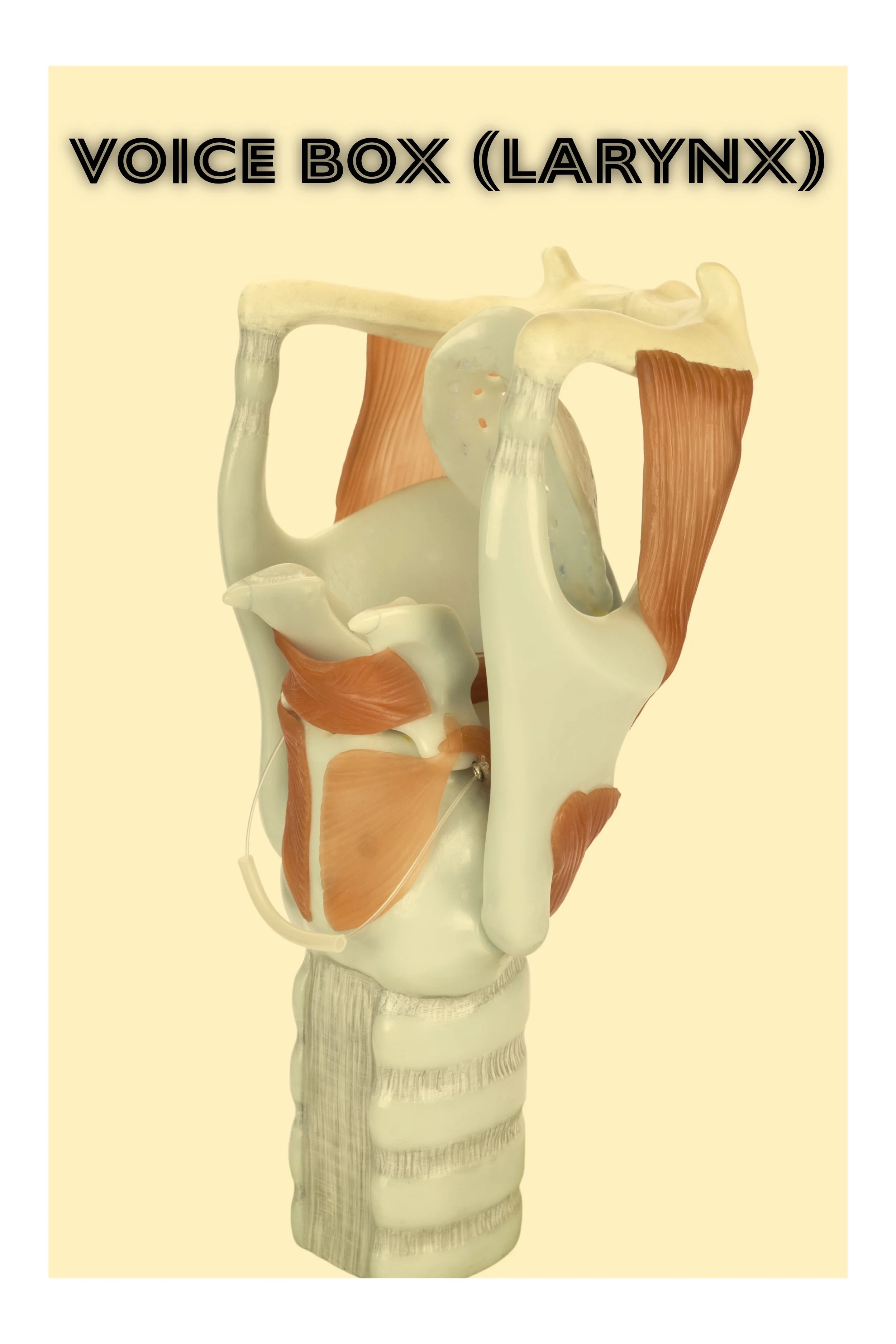
Vocal Cord Paralysis vs. Paresis: Key Differences, Symptoms, and Treatments
When James, a podcast host, noticed his voice cracking mid-recording, he assumed it was overuse. But when his ENT mentioned **vocal cord paresis**—partial weakness of the vocal cords—he realized not all voice disorders are the same. Paralysis and paresis are often confused, yet their impact on speech, breathing, and quality of life varies dramatically. Let’s unravel their differences and uncover pathways to recovery.
When James, a podcast host, noticed his voice cracking mid-recording, he assumed it was overuse. But when his ENT mentioned vocal cord paresis—partial weakness of the vocal cords—he realized not all voice disorders are the same. Paralysis and paresis are often confused, yet their impact on speech, breathing, and quality of life varies dramatically. Let’s unravel their differences and uncover pathways to recovery.
Paralysis vs. Paresis: What’s the Difference?
Vocal Cord Paralysis
Definition: Complete loss of movement in one or both vocal cords.
ICD-10 Codes: Unilateral: J38.01, Bilateral: J38.02
Severity: Often linked to nerve damage (e.g., recurrent laryngeal nerve injury).
Vocal Cord Paresis
Definition: Partial weakness or reduced mobility of the vocal cords.
ICD-10 Code: J38.3 (vocal cord weakness, unspecified).
Severity: Less severe than paralysis but can progress if untreated.
Symptoms: How They Compare
Shared Symptoms
Hoarseness
Voice fatigue
Difficulty projecting speech
Unique to Vocal Cord Paralysis
1. Breathing Issues:
Bilateral vocal cord paralysis often causes stridor (high-pitched breathing) or airway obstruction.
Example: A newborn with bilateral vocal cord paralysis at birth may require a tracheostomy.
2. Severe Aspiration Risk: Weak cough reflex increases choking hazards.
Unique to Vocal Cord Paresis
1. Intermittent Symptoms: Voice may improve with rest.
2. Mild Airflow Issues: Rarely causes stridor but may lead to shortness of breath during exertion.
Case Study: Emily, a teacher with left vocal cord paresis, could speak clearly in the morning but lost her voice by afternoon. Therapy focused on reducing muscle strain.
Causes: From Nerve Damage to Infections
Vocal Cord Paralysis Causes
1. Surgery: Thyroidectomy (25-30% of cases).
2. Trauma: Neck injuries or prolonged intubation.
3. Neurological: Stroke, ALS, or COVID vocal cord paralysis (rare but documented).
Vocal Cord Paresis Causes
1. Overuse: Chronic voice strain (common in singers).
2. Neuropathy: Early-stage nerve compression (e.g., from acid reflux).
3. Idiopathic: No identifiable cause in 15-20% of cases.
Key Insight:
Paresis is often a precursor to paralysis. For instance, partial paralysis of the vocal cords might begin as paresis before nerves fully degrade.
Diagnosis: Imaging, Scopes, and Voice Analysis
Shared Diagnostic Tools
Laryngoscopy: Visualizes cord movement.
CT/MRI: Rules out tumours (e.g., vocal cord paralysis radiology).
Differentiating Tests
1. Electromyography (EMG):
Measures nerve activity.
Paresis shows reduced signals; paralysis shows none.
2. Flow Volume Loop:
Bilateral vocal cord paralysis creates a “fixed obstruction” pattern.
Paresis may show minor airflow irregularities.
Example: A patient with abductor paralysis of vocal cords (cords stuck closed) had a flat inspiratory flow loop, while paresis showed fluctuating waves.
Treatment: Tailoring Solutions to Severity
For Paralysis
1. Surgery:
Vocal cord paralysis surgery (e.g., thyroplasty, injection laryngoplasty).
Bilateral vocal cord paralysis treatment** may require cordectomy or tracheostomy.
2. Voice Therapy:
Post-surgery exercises with a Speech Pathologist to optimize function (vocal cord paralysis exercises PDF).
For Paresis
1. Voice Rest and Therapy:
Speech therapy for vocal cord paralysis/paresis focuses on reducing strain.
Techniques like “straw phonation” improve airflow.
2. Medications:
Steroids for inflammation.
Antivirals if linked to infections (e.g., Lyme disease).
Success Story: After vocal cord paralysis therapy, Mark transitioned from paresis to full mobility in 6 months.
Living with Paralysis vs. Paresis
Paralysis Challenges
Airway Management: Severe cases need tracheostomy.
Diet Modifications: Thickened liquids to prevent aspiration.
Paresis Adjustments
Voice Conservation: Amplification devices for professionals.
Lifestyle Tweaks: Avoiding caffeine (dries vocal cords).
Tip for Parents:
Feeding a baby with vocal cord paralysis requires specialized bottles; paresis may only need slower feeds.
FAQs: Your Top Questions Answered
Q: Can paresis become paralysis?
A: Yes, if underlying nerve damage progresses (e.g., untreated tumours).
Q: Is vocal cord paresis curable?
A: Often reversible with early intervention (e.g., vocal cord paralysis treatment, speech therapy).
Q: How are they coded differently?
A: Paralysis uses J38.0x; paresis falls under J38.3.
Final Thoughts
Understanding the line between paralysis and paresis empowers better care. While paralysis demands urgent, sometimes surgical action, paresis offers a window for preventive therapy. Whether you’re battling unilateral vocal cord paralysis or mild paresis, modern medicine and therapy can help you find your voice again.
Consult a Speech Pathologist or ENT specialist if you experience persistent hoarseness.

Navigating High Functioning ADHD in Women: From Diagnosis to Empowerment
Sophia, a Toronto-based lawyer, thrived in court but collapsed into tears at home. Her ADHD diagnosis at 35 explained years of mood swings, burnout, and hyperfocus cycles. Like many women, she masked symptoms until pregnancy forced her to confront ADHD. Discover how to identify high-functioning ADHD, manage medication during pregnancy, and thrive in a neurodivergent world—with insights for Canadian women.
The Masked Reality of High Functioning ADHD in Women
Why Women Go Undiagnosed
High-functioning ADHD in women often hides behind achievement. Consider Dr. Emily, a surgeon who memorized protocols flawlessly but forgot her daughter’s school play. Research shows that women tend to internalize struggles, fearing labels like "scatterbrained" or "overemotional." Key traits include:
Functional ADD: Outward competence masking internal chaos (e.g., flawless work presentations but a cluttered car).
ADHD Mood Swings: Rapid emotional shifts, from frustration to tearfulness, often mistaken for PMS.
Giftedness Overlap: Twice-gifted ADHD (high IQ + executive dysfunction) leading to burnout.
Comparison: ADHD vs. giftedness: Both crave stimulation, but ADHD impairs task completion despite intelligence.
After earning her PhD, Maria failed to file paperwork for graduation—a classic "high functioning" gap.
Functional ADD vs. ADHD: Breaking Down Terminology
"Functional ADD" isn’t a medical term but describes individuals compensating for symptoms. Imagine ADHD as a smartphone with a drained battery: functional but inefficient.
Key Differences:
Hyperactivity: Less obvious in women (e.g., mental restlessness vs. physical fidgeting).
Emotional Dysregulation: ADHD mood swings (e.g., rage over misplaced keys) vs. situational stress.
Canadian Context: 60% of women with ADHD are misdiagnosed with anxiety or depression first (CAMH, 2023).
ADHD and Pregnancy: Medication, Risks, and Alternatives
Vyvanse During Pregnancy: A Canadian Perspective
An Ottawa engineer, Lena faced a dilemma: continue Vyvanse while pregnant or risk career-derailing focus loss. Her psychiatrist explained:
Vyvanse and other stimulant medications may have pregnancy risks: Limited data; potential low birth weight vs. maternal mental health risks.
ADHD Meds and Pregnancy Alternatives: Omega-3 supplements, CBT, and workplace accommodations.
Canadian Guidelines:
OHIP Coverage: ADHD testing is covered only if referred by a GP; private clinics cost $1,500-$3,000.
Postpartum Support: Post-ADHD medication titration may require re-assessment.
Non-Medication Strategies:
Time Management Apps: Focus@Will for ADHD-friendly productivity.
Delegation: Partner handles bills; virtual assistants manage schedules.
Self-Assessment Tools: Female ADHD Tests and Quizzes
Free Female ADHD Test Options
1. CADDRA Adult ADHD Self-Report Scale: Free download for Canadian residents.
2. "Do I Have ADHD Quiz Female": Online tools like ADDitude Magazine’s symptom checker.
3. ADHD in Women Checklist: Includes 15 markers (e.g., rejection sensitivity, hyperfocus on hobbies).
Caution: Self-tests like the "female ADHD quiz free" tools are screening aids, not diagnoses.
Canadian Pathway to Diagnosis:
1. Family Doctors: Can diagnose ADHD in BC and Ontario if trained.
2. ADHD Specialists Near Me: Search CADDAC’s directory for clinics in Toronto, Vancouver, etc.
3. Online ADHD Diagnosis Canada: Platforms like Frida offer assessments in 2-3 hours.
After a "female ADHD test free" quiz hinted at ADHD, Jasmin visited an "ADHD clinic near me" in Montreal, leading to a formal diagnosis.
The 7 Subtypes of ADHD: From Anxious ADD to Ring of Fire
Dr. Daniel Amen’s ADHD subtypes explain why one-size-fits-all treatments fail:
1. Classic ADD: Hyperactivity, distractibility.
2. Inattentive ADD: Daydreaming, sluggishness.
3. Overfocused ADD: Obsessive thoughts, rigidity.
4. Temporal Lobe ADD: Mood instability, memory lapses.
5. Limbic ADD: Chronic sadness, low energy.
6. Ring of Fire ADD: Sensory overload, irritability (brain scans show "ring" of hyperactivity).
7. Anxious ADD: Perfectionism, nervousness.
Temporal lobe ADHD vs. bipolar disorder: Both involve mood swings, but ADHD lacks manic episodes.
Case Study: Emma, with "anxious ADD," thrived on Strattera + yoga, avoiding stimulants that worsened anxiety.
The ADHD Brain: Scans, Structures, and Differences
ADHD Brain vs. Normal Brain: What Imaging Shows
Frontal Lobe: Underactive in ADHD, impairing planning (explains procrastination).
Basal Ganglia: Smaller, reducing dopamine transmission (ties to motivation struggles).
Default Mode Network: Overactive, causing daydreaming.
A neurotypical brain is a symphony; an ADHD brain is jazz—improvised but brilliant.
Neurodiversity in the Workplace: Thriving with ADHD
ADHD Workplace Accommodations Canada
Under the Accessibility for Ontarians with Disabilities Act (AODA), employers must provide:
Noise-cancelling headphones for sensory sensitivity.
Flexible deadlines for "hyperfocus slump" days.
Written instructions to counter working memory gaps.
Success Story: A Calgary tech firm saw a 30% productivity boost after allowing ADHD employees to work 11 AM–7 PM.
Remote Work Tips:
Use Toggl for time blindness.
Schedule "body doubles" (virtual coworking) for accountability.
ADHD and Relationships: Love, Conflict, and Communication
Dating Someone with ADHD: What to Expect
Strengths: Spontaneity, humor, hyperfocus on partners.
Challenges: Forgotten anniversaries, emotional dysregulation.
Strategies:
ADHD Partnership Contracts: Agree on chores (e.g., "I handle laundry; you manage finances").
Non-Medication Tools: Shared Google Calendars with reminders.
After fights over missed dates, Priya and her partner used Finch app check-ins to rebuild trust.
ADHD, Anxiety, and Depression: Untangling the Web
Does ADHD Cause Anxiety?
Yes—chronic underperformance fuels worry. A 2022 study found 47% of ADHD adults have generalized anxiety.
Treatment Options:
ADHD and Anxiety Meds:
Wellbutrin (dual-action for ADHD + depression).
Zoloft and ADHD: Can calm anxiety and depression but may worsen focus.
Canadian Mental Health Comorbidities: 32% of ADHD adults in Ontario have attempted suicide (CAMH, 2021).
Managing ADHD Without Medication: 12 Evidence-Based Strategies
Non-Drug Treatment for ADHD
1. Neurofeedback: Trains brainwaves; 60% efficacy per CADDAC.
2. Diet: High-protein breakfasts, omega-3s (salmon, walnuts).
3. Exercise: 30 minutes of cardio boosts dopamine, similar to Ritalin.
4. Sleep Hygiene: Weighted blankets combat ADHD insomnia.
Parent Tip: For "how to help a child with ADHD without medication," try martial arts for focus + discipline.
Canadian ADHD Resources: From Diagnosis to Tax Credits
How to Get ADHD Medication in Canada
1. Prescriptions: "ADHD doctors near me" can prescribe; online services like Ahead require a diagnosis.
2. Costs: Vyvanse costs $150/month in Canada; generic Adderall XR is $75.
3. Disability Tax Credit Canada: Apply via Form T2201 if ADHD severely impacts daily living
Provincial Differences:
Alberta: AISH funding may cover ADHD coaching.
BC: MSP partially covers psychologist assessments.
Final Checklist: Thriving with ADHD in Canada
1. Take a "female ADHD test free" if you suspect symptoms.
2. Consult an "ADHD specialist near me" for diagnosis.
3. Explore "non-drug treatment for ADHD” if avoiding meds.
4. Apply for "ADHD disability tax credit Canada" if eligible.

Navigating Sound Processing Challenges in Adulthood: Strategies and Insights
Have you ever struggled to follow conversations in noisy rooms or felt overwhelmed by rapid speech? For adults with Central Auditory Processing Disorder (CAPD), these challenges are daily realities. Dive into this guide to uncover symptoms, diagnosis, and actionable strategies for managing CAPD.
Imagine sitting in a busy café, trying to focus on a friend’s story while clattering dishes and overlapping conversations bombard your ears. For adults with auditory processing differences, this common scenario can feel overwhelming—not because their hearing fails, but because their brain struggles to filter and interpret sounds effectively. Let’s explore this invisible challenge, its links to auditory memory, head injuries, and practical solutions for daily life.
When Listening Feels Like Work: The Adult Reality
Sarah, a 34-year-old graphic designer, excels in her quiet studio but finds team meetings exhausting. "People assumed I wasn’t paying attention," she shares. "Truthfully, my brain couldn’t keep up with rapid conversations." After years of frustration, Sarah learned she had an auditory processing difference—a condition where the brain misinterprets sound signals despite normal hearing.
Her experience mirrors that of millions. Adults with auditory processing disorder (APD) often develop clever coping strategies but face daily hurdles in understanding speech, recalling verbal details, and managing sensory overload.
How Sound Processing Works (And When It Doesn’t)
Your ears detect sounds like a high-quality microphone, but the real work happens in your brain’s auditory cortex. Here’s where challenges emerge:
Sound Sorting: Struggling to prioritize voices over background noise
Auditory Memory: Difficulty retaining spoken instructions or conversation threads
Speed Processing: Needing extra time to decode rapid speech
Sound Blending: Hearing "fun ride" as "sunrise," especially post-head injuries
"Think of it like a smartphone with perfect hardware but buggy software," explains Dr. Linda Carter, an audiologist. "The sound input is clear, but the processing falters."
Spotting the Signs: Beyond "Bad Listening"
Adults with APD often hear the question, "Are you even listening?" when they’re trying extra hard to focus. Key indicators include:
📌 Frequent misunderstandings in noisy places
📌 Avoiding phone calls due to comprehension struggles
📌 Mental fatigue after conversations
📌 Reliance on lip-reading or written notes
📌 History of head injuries impacting sound processing
John, a high school teacher, recalls: "Staff meetings left me drained. I’d smile and nod, then realize I missed key details. My colleagues thought I was disengaged."
Why It Happens: Causes and Contributors
While research continues, several factors influence auditory processing challenges:
1. Neurological Wiring: Genetic differences in brain pathways
2. Head Trauma: Concussions or injuries affecting auditory regions
3. Early Infections: Chronic childhood ear issues altering development
4. Aging: Natural cognitive changes intensifying existing mild issues
5. Coexisting Conditions: Links to ADHD, autism, or learning differences
A 2022 *Journal of Auditory Research* study found that 68% of adults with APD reported previous head injuries, highlighting this often-overlooked connection.
Getting Answers: The Diagnosis Pathway
Step 1: Ruling Out Hearing Loss
A standard hearing test confirms physical ear health—usually normal in APD cases.
Step 2: Specialized APD Testing
Audiologists use tailored assessments like:
Speech-in-Noise Tests: Measuring comprehension amid background chatter
Temporal Processing Tasks: Assessing sound timing interpretation
Binaural Integration: Testing dual-ear sound combining
"Many adults cry during testing—not from pain, but relief," notes Dr. Carter. "Finally, their struggles make sense."
Life Hacks for Daily Success
Communication Strategies
The 3-Second Rule: Pause before responding to allow processing time
Visual Anchors: Pair verbal info with gestures or written keywords
Strategic Positioning: Sit facing speakers in meetings or gatherings
Tech Supports
Live Transcription Apps: Otter.ai or Google Live Caption
Directional Mics: Focus on specific speakers in noisy rooms
Custom Earplugs: Musician-style filters reducing overwhelm
Workplace Adaptations
Request written meeting summaries
Use noise-dampening headphones in open offices
Advocate for agenda-sharing before calls
Auditory Memory Boosters
Since APD often affects short-term sound retention, try these evidence-based exercises:
1. The Grocery List Game: Have someone dictate 5 items—recall them backwards
2. Podcast Paraphrasing: Listen to 3-minute segments, then summarize aloud
3. Lyric Learning: Memorize song verses through repeated listening
"Improved auditory memory helps me follow client calls better," shares Emma, a realtor with APD.
When APD Coexists with Other Conditions
APD & ADHD: Similar Symptoms, Different Roots
ADHD: Distraction from internal thoughts
APD: Distraction from sound misinterpretation
"Medication helps my focus," says software developer Tom, "but noise-filtering apps help me actually *hear*."
APD & Head Injury Recovery
Post-concussion patients often develop temporary processing issues. Targeted auditory therapy can aid neural repair.
Success in Action: Real Adult Wins
Case 1: The Restaurant Manager
After his APD diagnosis, Marco:
Installed sound-absorbing panels in his busy kitchen
Trained staff to use hand signals during loud rushes
Uses bone-conduction headphones for clearer communication
Case 2: The College Student
Lena accesses:
Lecture transcriptions via disability services
Extended test-taking time for auditory-heavy exams
Peer note-sharing through campus support programs
Hope in Progress: Emerging Research
1. Neuroplasticity Training: Apps rewiring brain sound processing
2. Biomarker Studies: Blood tests identifying APD subtypes
3. Gene Therapy Trials: Early-stage interventions for inherited forms
Taking Control: Your Action Plan
1. Connect: Find audiologists via the Canadian Academy of Audiology
2. Experiment: Try free apps like SoundSkills for basic training
3. Advocate: Share APD explainers with employers/friends
4. Track: Note situations causing most strain—target solutions there
"Understanding my APD didn’t fix everything," Sarah reflects, "but it gave me power. Now I ask for repeats without shame and take listening breaks when needed. I’m still me—just with better tools."
This journey isn’t about "fixing" how you process sound, but building environments where your brain thrives. With evolving research and growing awareness, adults with auditory processing differences are rewriting what’s possible—one conversation at a time.
*For further resources:*
Canadian Academy of Audiology (www.caa-aca.ca)
APD Support Groups on Meetup
"Living with APD" Webinar Series (free access through most libraries)

Silent Reflux: The Sneaky Sibling of Heartburn You Might Be Missing
Silent reflux (LPR) isn’t your typical acid reflux. Instead of heartburn, it disguises itself as a chronic sore throat, raspy voice, or that "lump in your throat" feeling. Discover how to differentiate it from GERD, why antacids like Tums often fall short, and actionable diet and lifestyle tips to soothe irritation, protect your vocal cords, and prevent long-term damage.
Imagine this: You’re a teacher who loves their job, but lately, your voice has been raspy and unreliable. You’re sipping tea, avoiding caffeine, and resting your vocal cords, but the hoarseness won’t quit. Or maybe you’re a foodie who’s developed a nagging sore throat that feels like a perpetual campfire in your neck. You’ve tried lozenges and hydration, but relief is fleeting. What’s going on? The culprit might not be a cold, allergies, or overuse of your voice—it could be silent reflux, a lesser-known but surprisingly common condition that often flies under the radar.
Let’s unpack what silent reflux is, how it’s different from the classic heartburn or GERD (gastroesophageal reflux disease) you’ve heard about, and why it’s so easy to overlook. Along the way, we’ll explore practical tips to manage symptoms, protect your vocal cords, and even enjoy meals without fear.
Silent Reflux vs. Common Reflux: What’s the Difference?
When most people think of acid reflux, they picture fiery heartburn creeping up the chest after a spicy meal or lying down too soon after eating. That’s classic GERD, where stomach acid flows backward into the esophagus, irritating its lining. But silent reflux—officially called laryngopharyngeal reflux (LPR)—is its subtler, sneakier cousin. Instead of burning your chest, the acid (and digestive enzymes like pepsin) travels higher, reaching your throat, vocal cords, and even the back of your nasal passage.
Key Differences at a Glance:
Classic GERD
Heartburn, regurgitation
Worse after eating/lying down
Esophageal irritation
Relieved by antacids like Tums or Pepto Bismol and lifestyle change
Silent Reflux (LPR)
Sore throat, hoarse voice
Chronic cough, "lump" feeling in throat (Globus)
Vocal cord damage, laryngitis
Relieved by proton-pump inhibitors or H2 blockers
The biggest distinction? Silent reflux often lacks the hallmark burning throat or chest discomfort. Instead, it masquerades as ENT (ear, nose, throat) issues, leaving people confused and undiagnosed for months—or even years.
Why Silent Reflux is So Sneaky (and Harmful)
Stomach acid is corrosive, but your esophagus has some defence mechanisms. However, your throat and vocal cords aren’t built to handle acid exposure. Over time, even small amounts of reflux can cause inflammation, scarring, or ulcers in delicate tissues.
Take Sarah, a podcast host who blamed her raspy voice on “overworking” during recording sessions. After weeks of voice rest with no improvement, an ENT specialist spotted redness and swelling near her vocal cords—a classic sign of LPR. “I never felt heartburn,” she said. “But my throat always felt scratchy, like I was getting sick.”
Silent reflux is also stealthy because symptoms can take hours to appear after eating. Acid might creep up while you’re sleeping, leading to morning hoarseness or a bitter taste in your mouth.
The Unusual Suspects: What Triggers Silent Reflux?
The same factors that worsen GERD—like fatty foods, caffeine, or tight clothing—can also fuel LPR. But silent reflux has unique triggers:
Weak upper esophageal sphincter: This “valve” at the top of your esophagus may not close properly, allowing acid to reach the throat.
Pepsin: This digestive enzyme, activated by acid, can linger in throat tissues and cause **inflammation** even after acid is neutralized.
Lifestyle habits: Singing, frequent talking, or breathing through your mouth (common in athletes or people with allergies) can dry out the throat, making it more vulnerable to irritation.
Even medications like beta-blockers (used for high blood pressure) can indirectly contribute by relaxing muscles that keep acid contained.
“But I’m Taking Tums!” Why OTC Meds Aren’t Always Enough?”
Antacids like Tums or Pepto Bismol neutralize stomach acid, offering quick relief for classic heartburn. However, silent reflux often requires a different approach. Since pepsin (not just acid) irritates the throat, lowering acid production with PPIs (proton pump inhibitors) or H2 blockers may be more effective in the long term.
That said, medication alone won’t solve the problem. Diet and lifestyle changes are critical.
Eating for Relief: A Diet for Reflux That Doesn’t Sacrifice Flavor
The goal isn’t to eliminate acid but to reduce stomach acid triggers and avoid foods that loosen the esophageal sphincter. Here’s how:
Skip the Usual Offenders: Citrus, tomatoes, chocolate, alcohol, and caffeine.
Embrace Alkaline Foods: Bananas, oatmeal, leafy greens, and almond milk can soothe irritated tissues.
Get Creative: Love pasta? Swap tomato sauce for a basil-avocado “pesto” (without garlic or lemon).
Sample Meal Idea:
Breakfast: Oatmeal with almond butter and sliced banana.
Lunch: Grilled chicken salad with avocado, cucumber, and olive oil.
Dinner: Salmon with steamed broccoli and quinoa.
Smaller, frequent meals also help prevent overfilling the stomach, reducing pressure on the sphincter.
Protecting Your Voice: Why Vocal Cords Deserve Extra TLC
Chronic silent reflux can lead to vocal cord damage, including nodules or ulcers. If your livelihood depends on your voice (teachers, singers, coaches), proactive care is essential:
Stay hydrated to keep mucus thin and protective.
Avoid whispering, which strains the voice more than speaking softly.
Use a humidifier at night to combat dryness from nighttime reflux.
The Bottom Line: Don’t Ignore the Subtle Signs
Silent reflux thrives on being misunderstood. If you’ve been battling a stubborn sore throat, hoarseness, or that annoying Globus sensation, consider LPR as a possible cause. Track your symptoms, experiment with a diet for reflux, and consult a gastroenterologist or ENT specialist. With the right mix of medication, dietary tweaks, and vocal care, you can extinguish that silent burn and reclaim your comfort and voice.

Tongue Thrust: How It Impacts Speech, Teeth, and Effective Treatment Options
Tongue thrust is a common but often overlooked condition that can alter speech, cause misaligned teeth, and disrupt swallowing. This guide explores its effects and offers actionable solutions to restore oral health.
Imagine this: A bright-eyed 8-year-old named Emma loves telling stories, but her words often come out mumbled or slurred. Her parents notice her front teeth are splayed outward, creating a gap. After visits to a speech therapist and orthodontist, they learn Emma has *tongue thrust*—a habit of pushing her tongue against her teeth when speaking or swallowing. Like Emma, millions of people unknowingly live with this condition, which can subtly reshape their smiles, speech, and confidence.
In this post, we’ll explore how tongue thrust impacts daily life, its long-term effects on dentition, and the treatments that can correct it—whether you’re a parent, an adult, or simply curious about oral health.
What Is Tongue Thrust?
Tongue thrust (tongue pushing) occurs when the tongue presses too forcefully against the teeth during swallowing, speaking, or at rest. While infants naturally use this motion to suckle, most children outgrow it by age 6. When it persists, it becomes an oral habit with far-reaching consequences.
A Quick Comparison:
Think of tongue thrust like constantly leaning on a fence. Over time, the fence (your teeth) bends out of place. Similarly, repeated pressure from the tongue can shift teeth, alter jaw alignment, and even affect facial structure.
How Tongue Thrust Impacts Speech and Dentition
1. Speech Challenges
When the tongue pushes against the teeth during speech, it distorts sounds like *“s,” “z,” “t,”* and *“d.”* For example, the word “sun” might sound like “thun.” This pattern, called a *lisp*, is a hallmark of tongue thrust.
James, a 30-year-old teacher, struggled with pronunciation for years. He avoided public speaking until a speech therapist identified his tongue thrust. He learned to reposition his tongue through exercises, transforming his clarity and confidence.
2. Dental Misalignment
Chronic tongue thrusting exerts constant pressure on teeth, often leading to:
Open Bite: Front teeth don’t touch when the mouth is closed.
Overjet: Upper teeth protrude outward (“buck teeth”).
Crowding: Teeth shift into crooked or misaligned positions.
Example:
Sarah, a teenager, underwent braces to fix her overjet, only to relapse post-treatment because her untreated tongue thrust pushed her teeth back.
Swallowing Dysfunction
A proper swallow involves the tongue pressing against the roof of the mouth. With tongue thrust, the tongue pushes forward, straining facial muscles and contributing to orthodontic issues.
Who’s at Risk?
Tongue thrust often develops alongside:
Prolonged thumb-sucking or pacifier use
Allergies/chronic nasal congestion (promoting mouth breathing)
Genetic factors like tongue size or jaw structure
Comparison:
Like thumb-sucking, tongue thrust is a “parafunctional” habit that interferes with normal oral function. However, its effects are more insidious because it’s harder to detect.
Effective Treatments for Tongue Thrust
The good news? Tongue thrust is treatable at any age. Solutions often combine speech therapy, orthodontics, and collaboration between specialists.
1. Myofunctional Therapy
This “physical therapy for the mouth” retrains the tongue’s posture and swallowing pattern. Exercises might include:
Practicing proper tongue placement (tip against the roof of the mouth)
Strengthening tongue muscles with resistance techniques
Using mirrors or apps for real-time feedback
Success Story:
After 12 weeks of therapy, Emma learned to swallow correctly. Her speech improved, and her orthodontist noted less pressure on her emerging adult teeth.
2. Orthodontic Treatment
Braces or aligners can correct misaligned teeth, but they’re most effective *after* addressing the underlying tongue thrust. Otherwise, relapse is likely.
Example:
Clear aligners with “tongue cribs” (a small wire barrier behind the teeth) prevent the tongue from pushing forward, protecting straightened teeth.
3. Habit-Breaking Appliances
Devices like palatal cribs or tongue trainers physically remind the tongue to stay in place. They’re often used alongside therapy for children.
4. Surgical Intervention (Rare Cases)
For severe structural issues (e.g., enlarged tonsils or a misaligned jaw), surgery may be recommended to improve airway space or tongue function.
Early Intervention Matters
Children as young as 4 can benefit from screening. Adults, too, see results—though treatment may take longer.
Comparison:
Correcting tongue thrust is like fixing posture: The earlier you start, the easier it is to retrain muscle memory. But even adults can relearn healthier patterns with patience.
Final Thoughts: Don’t Ignore the Signs
Tongue thrust isn’t just a “bad habit.” Left unchecked, it can lead to costly dental work, self-consciousness, or even sleep apnea. If you notice:
Frequent lisps or speech errors
Protruding or spaced teeth
Mouth breathing or chewing difficulties
…consult a dentist, orthodontist, or myofunctional therapist, or speech pathologist. With the right approach, a healthier smile—and clearer speech—are within reach.
Worried about tongue thrust? Share this post with a friend, or book a consultation with an oral health professional today. Small changes today can prevent big problems tomorrow.